



EN
“I used the Europe Esim, went through different countries with it and it was working super fast 5G everywhere. Suprised for good!” 




“I used the Europe Esim, went through different countries with it and it was working super fast 5G everywhere. Suprised for good!” “The eSIM worked perfectly during my trip around Europe. It was very easy to install, connected as soon as I arrived, and the internet was fast and reliable everywhere I went. It made travelling much easier because I did not need to buy local SIM cards. Very convenient and worth the price. I would definitely use it again.” Nie ma terminu na pierwsze użycie. Możesz kupić pakiet teraz i zachować go na przyszłą podróż.
Porównaj pakiety eSIM do Czech na Pragę i jej zamek, zakole Wełtawy w Czeskim Krumlowie, Brno przy Morawskim Krasie i kolumnady Karlowych Warów. Dobierz dane do podróży koleją i autobusami, a potem przeczytaj terytoria wymienione w ofercie.
Oczywiste założenie, że w tym kraju pociąg dociera wszędzie, jest prawdziwe tylko w połowie. Dlatego warto poznać odpowiedź transportową przed rezerwacją. Praga–Brno to 185–210 kilometrów, a najszybsze pociągi jadą dwie godziny i trzydzieści pięć minut — kolej wygrywa zdecydowanie. Czeski Krumlow wymaga jednak przesiadki w Czeskich Budziejowicach i około trzech i pół godziny pociągiem wobec dwóch godzin i pięćdziesięciu minut bezpośrednim autobusem. Karlowe Wary to około dwóch godzin drogą wobec trzech lub więcej koleją. Wybieraj środek transportu dla odcinka, nie całego kraju.
Zasady zwrotów
Na życzenie zawsze zwracamy całą zapłaconą kwotę, niezależnie od tego, czy eSIM jest nieużywana, częściowo czy całkowicie wykorzystana. Nie ma terminu na złożenie wniosku o zwrot.
Bez terminu pierwszego użycia
Ważność zaczyna biec dopiero od pierwszego połączenia z obsługiwaną siecią na miejscu. Nie ma terminu na pierwsze użycie. Możesz kupić pakiet teraz i zachować go na przyszłą podróż.
Bezpieczna płatność
Karty, Apple Pay i Google Pay — szyfrowanie zapewnia Paysera.
Obsługa 24/7 we wszystkich językach
Gwarantowana natychmiastowa odpowiedź.
Skonfiguruj profil do Czech przed wyjazdem przez zaufane połączenie i zachowaj dane zamówienia poza telefonem. Postępuj według wskazanego w pakiecie etapu przejęcia danych. Zrób to przed odjazdem pociągu, nie gdzieś podczas dwóch godzin i trzydziestu pięciu minut między Pragą a Brnem. Jeden szczegół przylotu zaskakuje: lotnisko Václava Havla, około piętnastu kilometrów na zachód od centrum, nie ma bezpośredniego połączenia kolejowego ani metra. Zwykła trasa to trolejbus 59 do Nádraží Veleslavín, potem metro A, około czterdziestu minut łącznie, lub Airport Express do Hlavní nádraží w czterdzieści–czterdzieści pięć minut. Dane macierzystego abonamentu pozostają wyłączone, chyba że świadomie wybierasz rachunek. Sprawdź to przed odjazdem trolejbusu 59, nie dopiero przy przesiadce na metro.
Wybierz kierunek, pakiet danych i okres ważności.
Zeskanuj kod QR lub zainstaluj automatycznie w aplikacji — bez fizycznej karty SIM.
Dane aktywują się przy pierwszym połączeniu w miejscu docelowym.
Wybierz profil najbliższy Twojej podróży. Szacunek zakłada normalne korzystanie — mapy, wiadomości, zdjęcia, krótką rozmowę z domem.
Orientacyjnie: city break na 3–4 dni to około 1–3 GB, tygodniowy wyjazd — 3–5 GB, dwutygodniowa trasa po kilku krajach — 8–12 GB, a praca w podróży to około 1 GB dziennie, czyli co najmniej 15 GB na dwa tygodnie.
Łącznie pakiet 1 GB wystarcza na około 330 udostępnionych zdjęć, 17 godzin mediów społecznościowych i przeglądania, 2,9 godzin wideorozmów, 13 godzin streamingu muzyki lub około 200 godzin map i nawigacji. Komunikatory prawie nie zużywają danych.
Praga · Przewodnik po mieście
Praga ma zamek z katedrą św. Wita, Most Karola, Rynek Staromiejski z zegarem astronomicznym zainstalowanym w 1410 roku, żydowski Josefov ze Starym Cmentarzem Żydowskim i Synagogą Hiszpańską oraz wzgórze Petřín z kolejką. Istotny szczegół łączności jest pionowy: metro biegnie głęboko. Náměstí Míru leży pięćdziesiąt dwa–pięćdziesiąt trzy metry poniżej ulicy, na końcu osiemdziesięciosiedmiometrowych schodów ruchomych, których przejazd trwa ponad dwie minuty. Linia A prowadzi tunelem pod Wełtawą.
eSIM Praga — skonfiguruj przed wylotemCzeski Krumlow · Przewodnik po mieście
Czeski Krumlow leży w ciasnym zakolu Wełtawy, która otacza stare miasto UNESCO. Nad nim stoi zamek z okrągłą malowaną wieżą i XVIII-wiecznym teatrem barokowym; są też most Płaszczowy i Egon Schiele Art Centrum. Ulice są strome i gęsto zabudowane, piękne do spacerów, ale osłabiające odbiór tak jak stare centra. Zaskakuje dojazd: bezpośredni autobus z Pragi jedzie dwie godziny i pięćdziesiąt minut, podczas gdy pociąg wymaga przesiadki w Czeskich Budziejowicach i około trzech i pół godziny.
eSIM Czeski Krumlow — skonfiguruj przed wylotemBrno · Przewodnik po mieście
Brno ma zamek Špilberk, willę Tugendhat Miesa van der Rohe wpisaną na listę UNESCO, katedrę św. Piotra i Pawła oraz kryptę kapucynów. To najłatwiejszy odcinek w kraju: 185–210 kilometrów od Pragi, najszybsze pociągi w dwie godziny i trzydzieści pięć minut. Tuż obok jest całkowicie podziemny Morawski Kras. Zwiedzanie Jaskiń Punkevní trwa około godziny i obejmuje odcinek motorówką po podziemnej rzece, a przepaść Macocha opada 138,5 metra do górnego jeziora.
eSIM Brno — skonfiguruj przed wylotemKarlowe Wary · Przewodnik po mieście
Karlowe Wary są najbardziej znanym uzdrowiskiem, skupionym wokół Kolumnady Młyńskiej: długiej na 132 metry, ze 124 kolumnami, otwartej w 1881 roku i mieszczącej pięć źródeł. Gorące źródło Vřídlo ma około siedemdziesięciu trzech stopni i wyrzuca wodę na dwanaście metrów. Wieża widokowa Diana ma własną kolejkę. Miasto tworzy zachodnioczeski trójkąt uzdrowiskowy z Mariańskimi Łaźniami i Franciszkowymi Łaźniami. Z Pragi jest 126–130 kilometrów i około dwóch godzin drogą, podczas gdy pociągi jadą trzy lub więcej.
eSIM Karlowe Wary — skonfiguruj przed wylotemDlaczego Horizon
Sama Praga uzasadnia trzy lub cztery dni, a drugie miasto wydłuża pobyt do pięciu–siedmiu. Najlepsze miesiące to maj–czerwiec i wrzesień. Lipiec ma średnio około dziewiętnastu stopni, z dziennymi maksimami dwadzieścia cztery–dwadzieścia sześć, a styczeń oscyluje między minus jednym a zerem, z maksimami od jednego do trzech. Śnieg w Pradze pojawia się często, lecz jest lekki między grudniem a lutym; Karkonosze i Szumawa utrzymują go od grudnia do marca. Zima ma konkretny urok — jarmarki bożonarodzeniowe na Rynku Staromiejskim i placu Wacława — ale uwzględnij krótkie dni. Pod koniec grudnia jest około ośmiu godzin światła wobec szesnastu i pół pod koniec czerwca.
Plan na
Czechy
Porównaj podane pakiety danych i okresy ważności dla swojego kierunku.
Zainstaluj przez stabilne Wi-Fi przed wyjazdem i postępuj według instrukcji aktywacji planu.
Przejrzyj aktualną cenę, dane, ważność i zasięg przed zakupem. Plany Horizon nie mają ograniczania prędkości.
Gdy wybrany plan pozwala na ponowne użycie lub doładowania, sekcja Moje eSIM-y pokazuje dostępne opcje dla zainstalowanego profilu.
Powiadomimy Cię, gdy zbliżysz się do limitu. Jeśli plan pozwala na doładowanie, Moje eSIM-y pokażą dostępne opcje.
Wybierz zasięg krajowy, regionalny lub globalny i sprawdź każdy kierunek w szczegółach planu.
Decyduj dla każdego odcinka, ponieważ odpowiedź się zmienia. Praga–Brno to wyraźne zwycięstwo kolei: 185–210 kilometrów, najszybsze pociągi w dwie godziny i trzydzieści pięć minut. Praga–Czeski Krumlow odwrotnie: pociąg wymaga przesiadki w Czeskich Budziejowicach i około trzech i pół godziny, a bezpośredni autobus jedzie dwie godziny i pięćdziesiąt minut. Praga–Karlowe Wary to około dwóch godzin drogą D6 wobec trzech lub więcej koleją. Łatwym wyjątkiem jest Kutná Hora: 62 kilometry, pociągi od pięćdziesięciu jeden minut do godziny i dziesięciu, ponad czterdzieści dziennie.
Nie pociągiem, co zaskakuje przyjeżdżających z innych europejskich stolic. Lotnisko Václava Havla leży około piętnastu kilometrów na zachód od centrum i nie ma bezpośredniej kolei ani metra. Standardowa trasa to trolejbus 59 do Nádraží Veleslavín i metro A, około czterdziestu minut łącznie. Airport Express jedzie bezpośrednio do Hlavní nádraží w czterdzieści–czterdzieści pięć minut, a taksówka lub samochód potrzebuje trzydziestu–czterdziestu minut. Uruchom linię danych, zanim wybierzesz między nimi.
Na samo miasto tak. Trzy lub cztery dni obejmują zamek i katedrę św. Wita, Most Karola, Rynek Staromiejski z zegarem astronomicznym z 1410 roku, Josefov ze Starym Cmentarzem Żydowskim i Synagogą Hiszpańską oraz Petřín. Pięć–siedem dni pozwala bez pośpiechu dodać drugie miasto. Brno jest najłatwiejsze, dwie godziny i trzydzieści pięć minut koleją. Czeski Krumlow i Karlowe Wary jako jednodniowe wyjazdy wymagają spędzenia znacznej części dnia w drodze. Kutná Hora, pięćdziesiąt jeden minut dalej, wygodnie mieści się w połowie dnia.
Nocleg daje więcej. Bezpośredni autobus z Pragi jedzie dwie godziny i pięćdziesiąt minut w każdą stronę. Jednodniowa wycieczka oznacza więc niemal sześć godzin w drodze i przyjazd w największym tłoku. Nocleg pozwala zobaczyć stare miasto UNESCO w ciasnym zakolu Wełtawy rano i wieczorem, gdy strome, gęste uliczki pustoszeją. Zostaje też czas na zamek z okrągłą malowaną wieżą i XVIII-wiecznym teatrem barokowym, most Płaszczowy i Egon Schiele Art Centrum. Jeśli chcesz nad wodę, zbiornik Lipno leży kolejne trzydzieści–czterdzieści minut dalej.
Kutná Hora wygrywa samym transportem: 62 kilometry, pociągi od pięćdziesięciu jeden minut do godziny i dziesięciu oraz ponad czterdzieści odjazdów dziennie. To naprawdę pół dnia, a nie ćwiczenie logistyczne. Inne częste wybory to Karlštejn i Terezín. Karlowe Wary są możliwe przy około dwóch godzinach drogą w każdą stronę, ale kolumnady i trójkąt uzdrowiskowy bardziej wynagradzają nocleg. Czeski Krumlow przy dwóch godzinach i pięćdziesięciu minutach w każdą stronę to miejsce, gdzie większość żałuje braku noclegu.
W zbiornikach i jeziorach, a sezon jest krótki. Lipno w południowych Czechach to największy zbiornik kraju, około czterdziestu ośmiu–pięćdziesięciu kilometrów kwadratowych, z plażami i trasami rowerowymi, trzydzieści–czterdzieści minut od Czeskiego Krumlowa. Slapy i Orlík na Wełtawie leżą na południe od Pragi, Máchovo jezero dalej na północ, a zalew Brneński obsługuje drugie miasto. Realnie pływa się od końca czerwca do sierpnia przy około dwudziestu–dwudziestu trzech stopniach. Uzdrowiska są całoroczną alternatywą, ale oznaczają kuracje pitne i kąpiele termalne, nie plażę.
Całkowicie. Ten kraj daje więcej okazji do zauważenia tego niż większość. Praskie metro biegnie głęboko: Náměstí Míru leży pięćdziesiąt dwa–pięćdziesiąt trzy metry pod ulicą, na końcu osiemdziesięciosiedmiometrowych schodów ruchomych, a linia A przechodzi pod Wełtawą. Kompleks Blanka to około pięciu i pół kilometra miejskiego tunelu drogowego. Trasa po Morawskim Krasie jest całkowicie podziemna, trwa godzinę i obejmuje motorówkę na podziemnej rzece. Oceniaj pakiet na poziomie ulicy. Jeśli nadal nie działa, otwórz przez Wi-Fi jego instrukcję, sprawdź, czy czeski profil jest włączony i wybrany do danych, a pomocy podaj numer zamówienia i model telefonu.
Nie. Plany Horizon nie mają ograniczania prędkości. Nie ma dziennego limitu, po którym internet zwalnia, więc w razie potrzeby możesz zużyć cały plan w jeden dzień. Prędkość zależy od lokalnej sieci, sygnału i obciążenia sieci. Gdy pakiet danych się skończy, plan przestaje działać, zamiast zwalniać.
Tak. Na życzenie zawsze zwracamy całą zapłaconą kwotę, niezależnie od tego, czy eSIM jest nieużywana, częściowo czy całkowicie wykorzystana. Nie ma terminu na złożenie wniosku o zwrot.
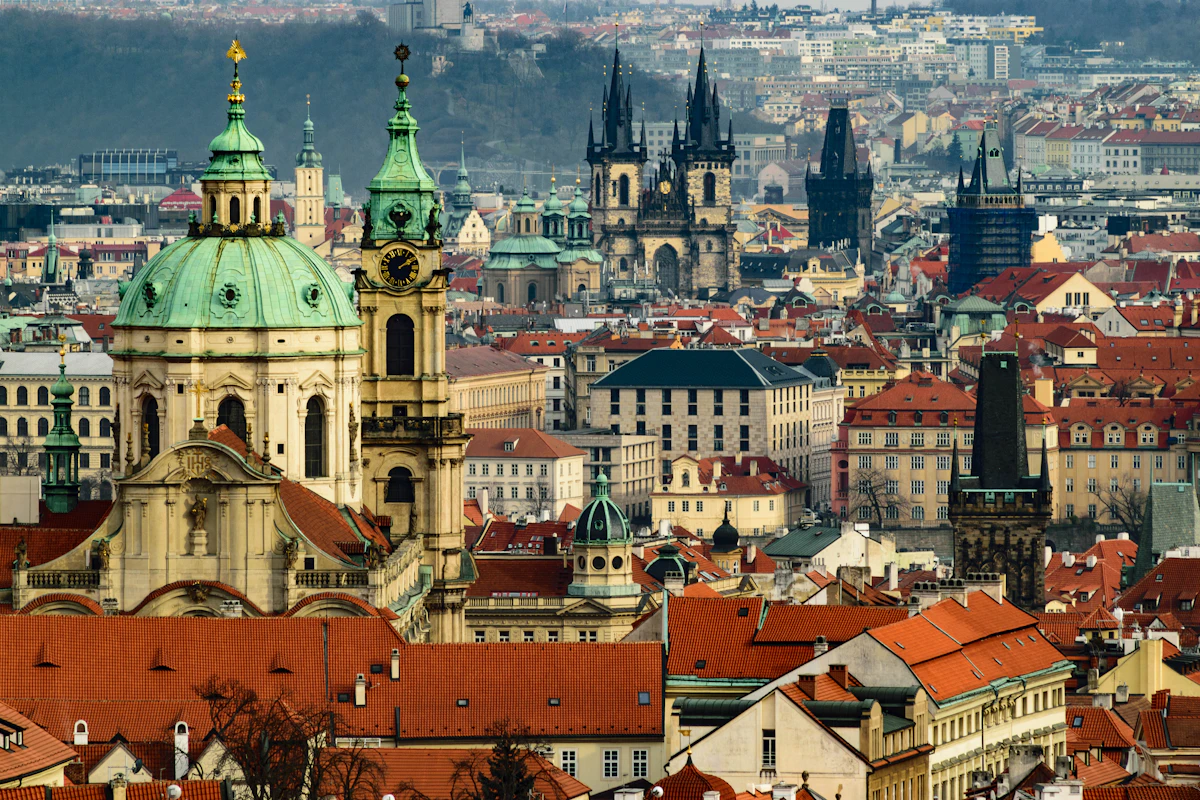
Porównaj ceny eSIM na Czechy od Horizon, Saily, Airalo, Ubigi, Nomad i Holafly, z omówieniem roamingu w UE, wskazówkami na jednodniowe wycieczki z Pragi i natychmiastową pomocą od Horizon.
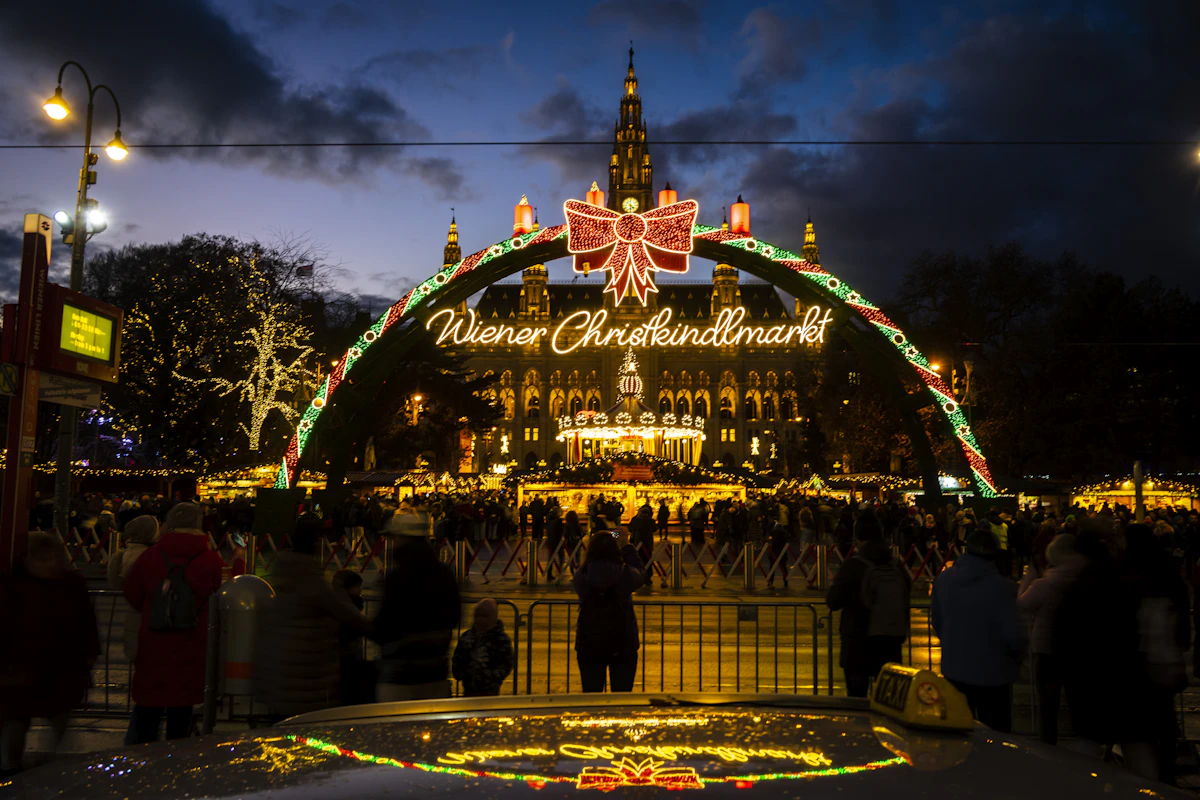
Daty otwarcia i zamknięcia dużych jarmarków bożonarodzeniowych 2026 w Norymberdze, Dreźnie, Monachium, Kolonii, Berlinie, Stuttgarcie, Akwizgranie, Wiedniu, Salzburgu i Pradze, sprawdzone na oficjalnych stronach, z połączeniami kolejowymi i nawykami z telefonem, które pomagają w trasie.


