



Kup plan
Wybierz kierunek, pakiet danych i okres ważności.






Nie ma terminu na pierwsze użycie. Możesz kupić pakiet teraz i zachować go na przyszłą podróż.
Porównaj aktualne plany eSIM do Argentyny według danych, ważności i łącznej ceny. Wybierz plan krajowy na Buenos Aires, Mendozę, Iguazú i Patagonię albo porównaj zasięg Ameryka Łacińska, gdy trasa obejmuje też Brazylię lub Urugwaj.
Główne regiony Argentyny dzielą długie loty i odcinki drogowe. Zaplanuj dane na transfery lotniskowe, bilety cyfrowe, mapy, rezerwacje i wiadomości podczas całej trasy, a następnie dodaj wideorozmowy, wysyłanie zdjęć lub laptop. Zapisz kolejny adres, wejście do parku i trasę offline przed wyjazdem z Buenos Aires, Puerto Iguazú, Mendozy lub El Calafate na odległe drogi i obszary chronione.
Zasady zwrotów
Na życzenie zawsze zwracamy całą zapłaconą kwotę, niezależnie od tego, czy eSIM jest nieużywana, częściowo czy całkowicie wykorzystana. Nie ma terminu na złożenie wniosku o zwrot.
Bez terminu pierwszego użycia
Ważność zaczyna biec dopiero od pierwszego połączenia z obsługiwaną siecią na miejscu. Nie ma terminu na pierwsze użycie. Możesz kupić pakiet teraz i zachować go na przyszłą podróż.
Bezpieczna płatność
Karty, Apple Pay i Google Pay — szyfrowanie zapewnia Paysera.
Obsługa 24/7 we wszystkich językach
Gwarantowana natychmiastowa odpowiedź.
Sprawdź, czy telefon obsługuje eSIM i nie ma blokady operatora, a następnie kup i zainstaluj profil do Argentyny przez Wi-Fi przed wyjazdem. Zakup i instalacja nie naruszają wybranego okresu ważności. Uruchamia go dopiero pierwsze udane połączenie eSIM w Argentynie. Po przylocie wybierz Horizon jako linię danych, włącz na niej roaming danych i pozostaw go wyłączonego na głównej karcie SIM, jeśli chcesz uniknąć opłat swojego operatora. eSIM służy tylko do danych i nie obejmuje argentyńskiego numeru ani SMS-ów.
Wybierz kierunek, pakiet danych i okres ważności.
Zeskanuj kod QR lub zainstaluj automatycznie w aplikacji — bez fizycznej karty SIM.
Dane aktywują się przy pierwszym połączeniu w miejscu docelowym.
Wybierz profil najbliższy Twojej podróży. Szacunek zakłada normalne korzystanie — mapy, wiadomości, zdjęcia, krótką rozmowę z domem.
Orientacyjnie: city break na 3–4 dni to około 1–3 GB, tygodniowy wyjazd — 3–5 GB, dwutygodniowa trasa po kilku krajach — 8–12 GB, a praca w podróży to około 1 GB dziennie, czyli co najmniej 15 GB na dwa tygodnie.
Łącznie pakiet 1 GB wystarcza na około 330 udostępnionych zdjęć, 17 godzin mediów społecznościowych i przeglądania, 2,9 godzin wideorozmów, 13 godzin streamingu muzyki lub około 200 godzin map i nawigacji. Komunikatory prawie nie zużywają danych.
Buenos Aires · Przewodnik po mieście
Utwórz osobne listy map dla Recolety, Teatro Colón, MALBA i La Boca, zamiast sprowadzać Buenos Aires do jednej pinezki. Zapisz kolejne miejsce spotkania przed wejściem do metra i przed rezerwacją transferu sprawdź, czy lot korzysta z Ezeizy czy Aeroparque.
eSIM Buenos Aires — skonfiguruj przed wylotemPuerto Iguazú · Przewodnik po mieście
Górna i Dolna Trasa oraz kładka do Garganta del Diablo wypełniają cały dzień w argentyńskim parku. Pobierz dokumenty wstępu i informacje o transporcie przed wyjazdem; brazylijski brzeg wymaga osobnego biletu i zasięgu transgranicznego, takiego jak obecna eSIM Ameryka Łacińska.
eSIM Puerto Iguazú — skonfiguruj przed wylotemEl Calafate · Przewodnik po mieście
Potraktuj El Calafate jako bazę do planowania Perito Moreno i dalszej podróży do El Chaltén. Przed wyjazdem zapisz offline rezerwacje parku, informacje o szlaku i adres odbioru, a na dni przejazdów przez step zabierz naładowany powerbank.
eSIM El Calafate — skonfiguruj przed wylotemMendoza · Przewodnik po mieście
Centrum Mendozy, winnice wokół Luján de Cuyo i Valle de Uco oraz trasa ku Aconcagui wymagają różnych odbiorów i rezerwacji. Przed wyjazdem zapisz dokładne miejsce spotkania i kontakt do rezerwacji, zwłaszcza gdy wycieczka lub autobus jedzie dalej ku granicy z Chile.
eSIM Mendoza — skonfiguruj przed wylotemDlaczego Horizon
Porównaj ważność obejmującą każdy dzień od pierwszego połączenia do ostatniego odcinka krajowego, a dane dobierz do faktycznego użycia. W Buenos Aires przydadzą się mapy i aplikacje przewozowe; Iguazú i Patagonia dodają cyfrowe dokumenty parkowe, transfery i więcej przygotowań offline. Każdy plan Horizon obejmuje bezpłatny hotspot na zgodnym urządzeniu, a podłączone sprzęty zużywają ten sam pakiet. Jeśli podróż prowadzi do Brazylii lub Urugwaju, przed zakupem porównaj plan krajowy z dokładną listą Ameryka Łacińska.
Plan na
Argentyna
Porównaj podane pakiety danych i okresy ważności dla swojego kierunku.
Zainstaluj przez stabilne Wi-Fi przed wyjazdem i postępuj według instrukcji aktywacji planu.
Przejrzyj aktualną cenę, dane, ważność i zasięg przed zakupem. Plany Horizon ze stałą ilością danych nie mają ograniczania prędkości.
Gdy wybrany plan pozwala na ponowne użycie lub doładowania, sekcja Moje eSIM-y pokazuje dostępne opcje dla zainstalowanego profilu.
Powiadomimy Cię, gdy zbliżysz się do limitu. Jeśli plan pozwala na doładowanie, Moje eSIM-y pokażą dostępne opcje.
Wybierz zasięg krajowy, regionalny lub globalny i sprawdź każdy kierunek w szczegółach planu.
Wybierz zasięg tylko w Argentynie, jeśli wszystkie przystanki leżą w tym kraju. Porównaj plan Ameryka Łacińska, gdy trasa obejmuje też Brazylię, Chile, Kolumbię, Kostarykę, Ekwador, Meksyk, Peru, Salwador lub Urugwaj. Przed płatnością sprawdź aktualną listę: Paragwaj i Boliwia nie są objęte.
Zacznij od niedawnego zużycia, odejmij czynności wykonywane przez Wi-Fi, a potem dodaj mapy, aplikacje przewozowe, bilety cyfrowe, zdjęcia i rozmowy na każdy dzień. Uwzględnij laptop lub współpodróżnych, jeśli udostępnisz hotspot. Porównaj wynik z aktualną ważnością i łączną ceną; duże odległości wpływają na plan podróży, ale same nie zużywają danych.
Zainstaluj ją przez Wi-Fi przed wyjazdem. Wybrana ważność nie zaczyna się przy zakupie ani instalacji. Rozpoczyna się po pierwszym udanym połączeniu eSIM w Argentynie. Możesz pozostawić ją wyłączoną do podróży, a potem wybrać Horizon do danych i włączyć roaming na tej linii.
Nie. Plan krajowy do Argentyny obejmuje tylko Argentynę. Brazylijska strona wodospadów i urugwajski brzeg to inne państwa. Porównaj plan Ameryka Łacińska, który obejmuje Argentynę, Brazylię i Urugwaj, albo kup oddzielne plany krajowe. Zawsze sprawdź aktualną listę przed płatnością.
Nie. Horizon zapewnia transmisję danych bez argentyńskiego numeru, połączeń i SMS-ów. WhatsApp może zachować już zarejestrowany numer i korzystać z danych Horizon. Wyłącz dane komórkowe na zwykłej karcie SIM; połączenia i wiadomości z tej linii nadal podlegają warunkom roamingu.
Tak. Hotspot jest bezpłatny w każdym planie Horizon. Telefon musi obsługiwać udostępnianie internetu z eSIM, a każdy podłączony laptop, tablet lub współpodróżny zużywa ten sam pakiet. Uwzględnij to przy wyborze danych.
Przy dostępie do sieci pobierz dokładną mapę drogi lub szlaku, wejście do parku, postoje na paliwo lub transfer, kontakt do noclegu i dane powrotu. Jeśli dane przestaną działać, sprawdź, czy Horizon jest linią danych, roaming jest na niej włączony, plan jest ważny i ma pozostałe dane. Odbiór zależy od miejsca i dostępnych sieci partnerskich, więc zachowaj ważne dokumenty offline.
Nie. Plany Horizon ze stałą ilością danych nie mają ograniczania prędkości. Nie ma dziennego limitu, po którym internet zwalnia, więc w razie potrzeby możesz zużyć cały plan w jeden dzień. Prędkość zależy od lokalnej sieci, sygnału i obciążenia sieci. Gdy pakiet danych się skończy, plan przestaje działać, zamiast zwalniać.
Tak. Na życzenie zawsze zwracamy całą zapłaconą kwotę, niezależnie od tego, czy eSIM jest nieużywana, częściowo czy całkowicie wykorzystana. Nie ma terminu na złożenie wniosku o zwrot.
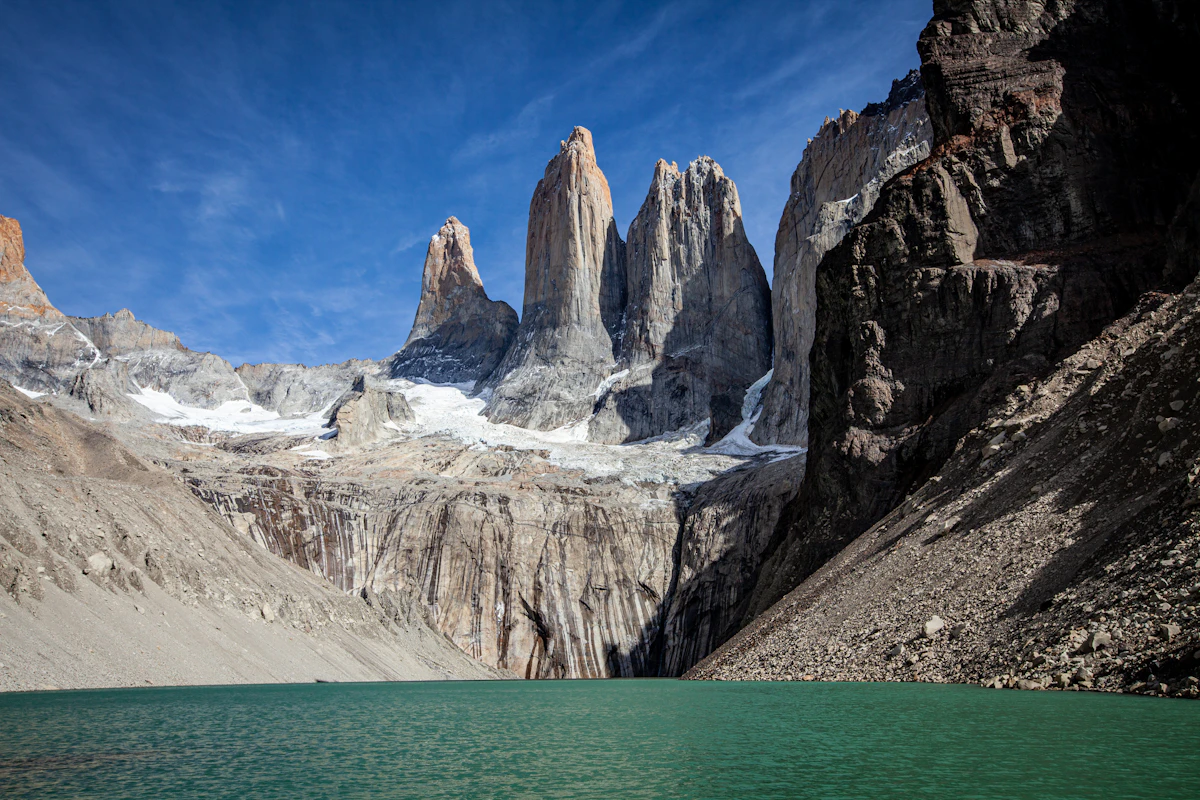
eSIM Horizon na Amerykę Łacińską obejmuje Brazylię, Argentynę i Chile jednym profilem. Urugwaj także jest objęty, a Boliwia i Paragwaj pozostają poza listą.

Argentyna to nie trasa, lecz trzy bazy spięte lotami krajowymi, w większości przez Buenos Aires. Co to zmienia w liczbie kupowanych dni.


