Darmowy hotspotDarmowy hotspot w każdym planie Bez ograniczania prędkości w Horizonod €0.27 7–180 dni
Wybierz swój plan
Ile danych i na jak długo?
01Porównaj dane na długość swojej podróży
30 dni
7 dni
15 dni
180 dni
Ważność zaczyna biec dopiero od pierwszego połączenia z obsługiwaną siecią na miejscu. Nie ma terminu na pierwsze użycie. Możesz kupić pakiet teraz i zachować go na przyszłą podróż. Pełny zwrot na życzenie, za używaną lub nieużywaną eSIM. Na życzenie zawsze zwracamy całą zapłaconą kwotę, niezależnie od tego, czy eSIM jest nieużywana, częściowo czy całkowicie wykorzystana. Nie ma terminu na złożenie wniosku o zwrot.
Jedziesz też gdzieś indziej?
Dodaj kolejny kraj — każdy to osobny eSIM, wszystkie zarządzane w jednej aplikacji.
Potrzebujesz szerszego zasięgu?
Poznaj nasze regionalne i globalne eSIM-y — pakiety zaczynają się od pokazanej ceny, a ich zasięg obejmuje też kierunek Chorwacja.
“I used the Horizon Balkans eSIM on a recent trip. The best part was not having to think about buying a new SIM every time I crossed a border. I used it for maps, WhatsApp, checking hotels, finding restaurants, and looking up beaches and places to visit.
The package covers Albania, Bosnia and Herzegovina, Bulgaria, Croatia, Greece, Montenegro, North Macedonia, and Serbia and I added Kosovo eSIM to the same order. I would use it again for another trip through the Balkans”
EN
“I used the Europe Esim, went through different countries with it and it was working super fast 5G everywhere. Suprised for good!”
EN
“The eSIM worked perfectly during my trip around Europe. It was very easy to install, connected as soon as I arrived, and the internet was fast and reliable everywhere I went. It made travelling much easier because I did not need to buy local SIM cards. Very convenient and worth the price. I would definitely use it again.”
Nie ma terminu na pierwsze użycie. Możesz kupić pakiet teraz i zachować go na przyszłą podróż.
eSIM do Chorwacji na miasta w murach, wyspy i drogę wzdłuż wybrzeża
Porównaj pakiety eSIM do Chorwacji na Zagrzeb, Zadar, Split i Dubrownik, promy na wyspy oraz drogę nad Adriatykiem. Dobierz ilość danych do godzin na katamaranie i nadbrzeżnej trasie, a nie tylko dni wewnątrz murów. Sprawdź też zapisy oferty o terytorium.
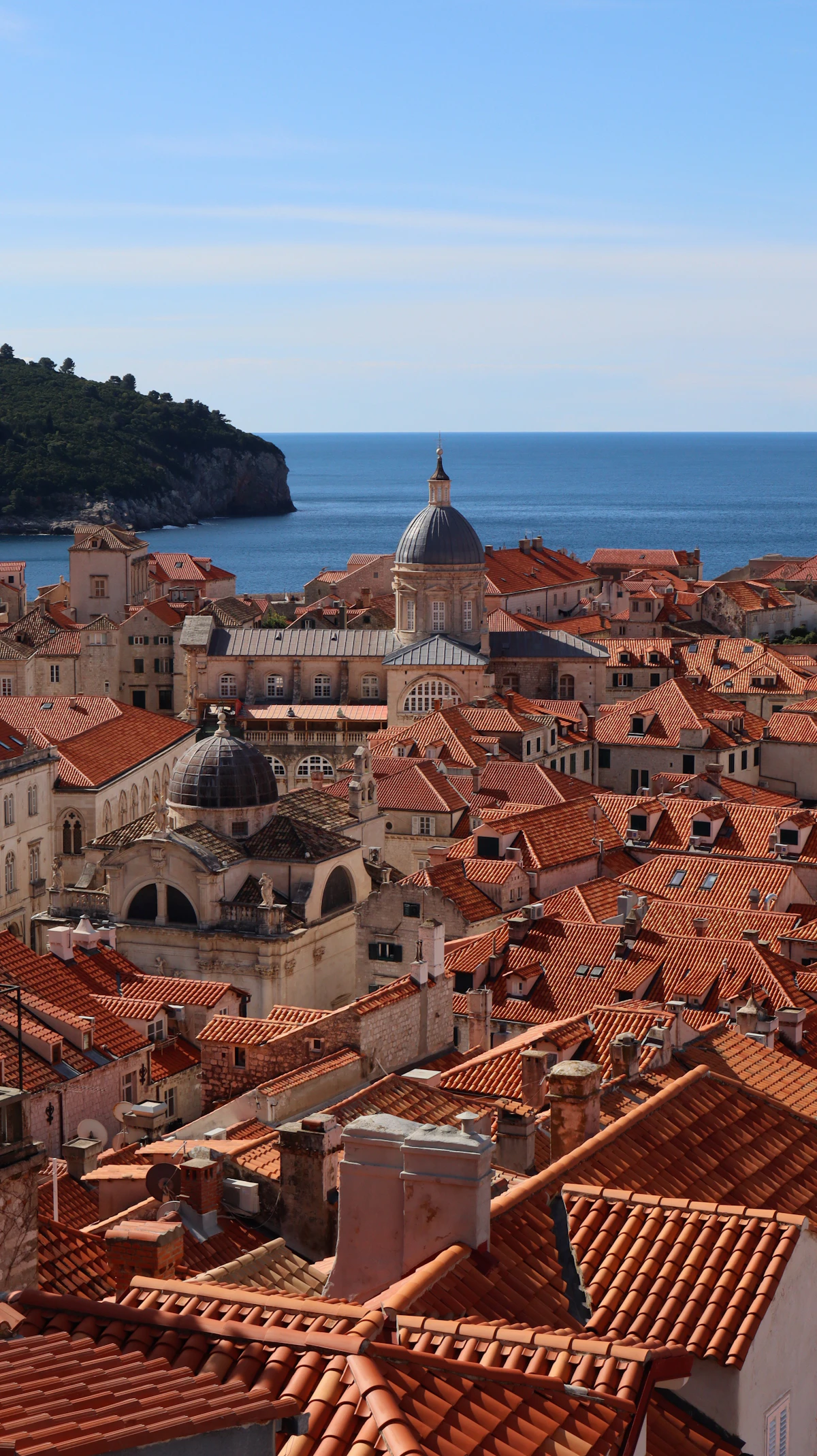
Chorwacja jest długa i wąska, a niemal wszystko warte zobaczenia zbudowano z kamienia lub otoczono wodą. Oba wpływają na łączność. Split mieści się wewnątrz pałacu Dioklecjana, żywego rzymskiego pałacu z wąskimi kamiennymi korytarzami i sklepionymi piwnicami, a nie ruiny. Dubrownik leży wewnątrz obwodu murów długości około 1940 metrów, miejscami wysokich na około 25 metrów, ze starym miastem zamkniętym ze wszystkich stron. Na wyspy pływa się katamaranem i promem samochodowym z nabrzeży w centrum, a bora może całkowicie odwołać rejs. Grube mury, otwarta woda i nadbrzeżna droga ciągnąca się godzinami decydują o możliwościach telefonu. Zapisz godzinę rejsu i powrót, zanim opuścisz nabrzeże.
Skonfiguruj profil do Chorwacji przed lotem przez zaufane połączenie i zachowaj dane zamówienia poza telefonem. Pakiet określa etap, w którym przejmuje transmisję danych. Kieruj się nim, nie ogólnym poradnikiem. Lotniska przylotowe leżą poza starymi miastami: Split około 24 kilometrów, Dubrownik około 21, Zadar osiem–dwanaście. Każde obsługuje autobus wahadłowy jadący dwadzieścia–czterdzieści minut. Wczytaj transport i adres noclegu przed wyjściem z terminalu. Wyłącz dane macierzystego abonamentu, chyba że zamierzasz za nie zapłacić.
1
Kup plan
Wybierz kierunek, pakiet danych i okres ważności.
2
Zainstaluj eSIM
Zeskanuj kod QR lub zainstaluj automatycznie w aplikacji — bez fizycznej karty SIM.
3
Wyląduj i połącz się
Dane aktywują się przy pierwszym połączeniu w miejscu docelowym.
Orientacyjnie: city break na 3–4 dni to około 1–3 GB, tygodniowy wyjazd — 3–5 GB, dwutygodniowa trasa po kilku krajach — 8–12 GB, a praca w podróży to około 1 GB dziennie, czyli co najmniej 15 GB na dwa tygodnie.
Łącznie pakiet 3 GB wystarcza na około 1000 udostępnionych zdjęć, 50 godzin mediów społecznościowych i przeglądania, 8,8 godzin wideorozmów, 38 godzin streamingu muzyki lub około 600 godzin map i nawigacji. Komunikatory prawie nie zużywają danych.
Split jest zbudowany wewnątrz pałacu Dioklecjana, będącego działającą dzielnicą, a nie ruiną. Tworzą go wąskie kamienne korytarze, sklepione piwnice i dzwonnica katedry św. Duje wyrastająca ze środka; nad zachodnim krańcem góruje wzgórze Marjan. Port promowy leży tuż obok Rivy, więc wyjazdy na wyspy zaczynają się w samym mieście. Do miasta Hvar płynie się katamaranem pięćdziesiąt–sześćdziesiąt pięć minut, a do Supetaru na Braču około pięćdziesięciu promem samochodowym. Wczytaj rejs i powrót wewnątrz pałacowych murów, gdzie gruby kamień utrudnia sprawdzanie informacji.
eSIM Split — skonfiguruj przed wylotem
Dubrownik · Przewodnik po mieście
Dubrownik
Mury Dubrownika tworzą nieprzerwany obwód około 1940 metrów, miejscami wysoki na około 25 metrów. Spacer jest całkowicie odsłonięty i bez skrótu prowadzącego w dół. W obrębie zabytkowej części są Stradun i fort Lovrijenac; poza nią kolejka na Srđ i łodzie na wyspę Lokrum. Ponieważ stare miasto jest otoczone ze wszystkich stron, zwykle radzi się dotrzeć przed tłumami z wycieczkowców. Bilet na mury warto trzymać offline. Lotnisko w Čilipi leży około 21 kilometrów dalej, mniej więcej trzydzieści minut autobusem w pobliże bramy Ploče.
eSIM Dubrownik — skonfiguruj przed wylotem
Zadar · Przewodnik po mieście
Zadar
Zadar mieści stare miasto na zwartym półwyspie. Okrągły kościół św. Donata z IX wieku stoi przy rzymskim forum, a Morskie Organy i Pozdrowienie Słońca wbudowano w samo nabrzeże. Port promowy Gaženica obsługuje Dugi Otok i Kornaty; Sakarun jest jedną z niewielu jasnopiaszczystych płytkich zatok tego wybrzeża. Zadar jest też naturalną bazą na Plitvice i Krkę, gdzie szlaki zamykają się lub ograniczają zimą. Lotnisko w Zemunik leży osiem–dwanaście kilometrów dalej, około dwudziestu minut autobusem.
eSIM Zadar — skonfiguruj przed wylotem
Zagrzeb · Przewodnik po mieście
Zagrzeb
Zagrzeb to główny przystanek poza wybrzeżem, zbudowany wokół Górnego Miasta z kościołem św. Marka, Muzeum Zerwanych Związków i cmentarzem Mirogoj. Medvednica wznosi się bezpośrednio nad miastem, a gondola jedzie na Sljeme, więc miejski dzień może skończyć się na zalesionym grzbiecie. W przeciwieństwie do wybrzeża działa przez cały rok i ponownie zapełnia się w Adwencie, gdy wyspiarskie miasteczka są pozamykane. Lotnisko leży około 15 kilometrów dalej, z autobusem do głównego dworca autobusowego w trzydzieści pięć–czterdzieści minut.
eSIM Zagrzeb — skonfiguruj przed wylotem
Dlaczego Horizon
Dobierz pakiet do sezonu na wybrzeżu i dni na wyspach
Siedem–dziesięć dni zwykle oznacza dwie bazy i wyspę, a sezon decyduje, jak łatwo to zorganizować. Lipiec i sierpień są najbardziej zatłoczone, z najpełniejszymi rozkładami promów. Czerwiec i wrzesień są lepszym okresem, z morzem nadającym się do kąpieli i mniejszymi tłumami. Mniej więcej od listopada do marca wiele miast wyspiarskich i nadbrzeżnych w praktyce się zamyka, rejsy katamaranów spadają do kilku dziennie, a bora może całkowicie odwołać przeprawy. Zimowy wyjazd pasuje więc do Zagrzebia, nie na wodę. Jeden szczegół trasy warto znać wcześniej: Split–Dubrownik prowadzi teraz w całości przez Chorwację mostem Pelješac, podczas gdy starsza droga przecinała krótki fragment Bośni i Hercegowiny z dwoma postojami granicznymi.
Horizon eSIM Przed podróżą
Plan na
Chorwacja
Porównaj szczegóły planu
Sprawdź zgodność urządzenia
Zainstaluj przez Wi-Fi przed wyjazdem
Elastyczny wybór
Lepsze plany, skrojone pod prawdziwe podróże
Porównaj podane pakiety danych i okresy ważności dla swojego kierunku.
Przed wyjazdem
Prosty w obsłudze
Zainstaluj przez stabilne Wi-Fi przed wyjazdem i postępuj według instrukcji aktywacji planu.
Czytelne porównanie
Porównaj cały plan
Przejrzyj aktualną cenę, dane, ważność i zasięg przed zakupem. Plany Horizon nie mają ograniczania prędkości.
Ponowne użycie, gdy można
Wykorzystaj eSIM ponownie
Gdy wybrany plan pozwala na ponowne użycie lub doładowania, sekcja Moje eSIM-y pokazuje dostępne opcje dla zainstalowanego profilu.
Kontrola zużycia
Bądź online
Powiadomimy Cię, gdy zbliżysz się do limitu. Jeśli plan pozwala na doładowanie, Moje eSIM-y pokażą dostępne opcje.
Wiele krajów
Plany globalne i regionalne
Wybierz zasięg krajowy, regionalny lub globalny i sprawdź każdy kierunek w szczegółach planu.
Najczęściej zadawane pytania
Czy przejazd ze Splitu do Dubrownika nadal przecina Bośnię?
Nie obecną trasą. Most Pelješac długości 2,4 kilometra sprawia, że około 230 kilometrów ze Splitu do Dubrownika, trzy–cztery godziny, prowadzi teraz w całości przez Chorwację. Starsza droga nadbrzeżna przecinała krótki pas Bośni i Hercegowiny przy Neum, z dwoma postojami na granicy. Jeśli wybrana trasa lub autobus nadal korzysta ze starej drogi albo podróż celowo obejmuje Mostar, Bośnia i Hercegowina musi widnieć z nazwy na liście kierunków pakietu.
Które chorwackie wyspy są warte przeprawy?
To zależy od bazy. Ze Splitu zwykła para to Hvar, pięćdziesiąt–sześćdziesiąt pięć minut katamaranem, i Brač, około pięćdziesięciu minut promem samochodowym do Supetaru, z cyplem Zlatni Rat w Bol. Vis jest spokojniejszym wyborem i ma Stinivę, zatokę otoczoną klifami, dostępną pieszo lub łodzią. Z Dubrownika typowe trasy prowadzą na Elafity i Korčulę, a Lokrum jest dość blisko na popołudnie. Zanim przeznaczysz na wyspę dzień, sprawdź rejs w obie strony.
Kiedy najlepiej odwiedzić chorwackie wybrzeże?
Czerwiec i wrzesień to najlepszy kompromis: morze jest dość ciepłe do pływania, rozkłady promów nadal pełne, a po miastach w murach chodzi się bez kolejek. Lipiec i sierpień łączą upał z tłumami. Najbardziej liczy się to w Dubrowniku, którego zamknięte stare miasto szybko się zapełnia. Maj i październik są przyjemne na lądzie, ale morze jest chłodniejsze. Od listopada do marca znaczna część wybrzeża praktycznie się zamyka — to pora na Zagrzeb i jarmarki adwentowe.
Czy chorwackie plaże są piaszczyste czy żwirowe?
Przeważnie żwirowe i warto wiedzieć o tym przed pakowaniem. Charakterystyczną plażą jest Zlatni Rat w Bol na Braču: drobnożwirowy cypel wysunięty około 450 metrów w morze, wyraźnie zmieniający kształt pod wpływem wiatru i prądów. Sakarun na Dugim Otoku to jedna z rzadkich jasnopiaszczystych płytkich zatok. Punta Rata w Breli wyznacza Riwierę Makarską pod Biokovem, Stiniva na Visie jest zatoką między klifami, a Zrće na Pagu plażą klubów plenerowych, nie ciszy.
Czy potrzebuję samochodu w Chorwacji?
To zależy od podróży. Samochód przydaje się na Istrii, przy Plitvicach i w głębi lądu, gdzie transport publiczny jest rzadki, a parki leżą poza miastami. Przy podróży między wyspami staje się obciążeniem: promy samochodowe są wolniejsze i rzadsze od katamaranów, a stare miasto Dubrownika i tak jest zamknięte dla ruchu. Wiele tras zakłada wynajem na odcinek śródlądowy i zwrot auta przed wybrzeżem. Zagrzeb–Zadar to około 290 kilometrów i trzy godziny autostradą.
Czy pakiet do Chorwacji obejmuje też Czarnogórę lub Słowenię?
Tylko gdy każdy kraj widnieje na liście kierunków pakietu. Pytanie pojawia się stale, bo jednodniowe wyjazdy przekraczają granice: Kotor i Budva w Czarnogórze leżą około dwóch godzin na południe od Dubrownika. Mostar w Bośni i Hercegowinie to typowy dzień ze Splitu lub Dubrownika, a Lublana i jezioro Bled w Słowenii naturalnie łączą się z Zagrzebiem i Istrią. Chorwacja i Słowenia należą do UE, a Czarnogóra i Bośnia i Hercegowina nie, więc jeden europejski nagłówek nie obejmuje ich jednakowo. Przeczytaj listę.
eSIM przestała działać w starym mieście — czy jest uszkodzona?
Prawdopodobnie nie, a w Chorwacji to pomylenie przyczyn jest szczególnie częste. Pałacowe piwnice Splitu i uliczki w murach Dubrownika otacza gruby kamień, a pokład katamaranu to otwarta woda. Sygnał zanikający tam i wracający na zewnątrz zachowuje się normalnie, nie świadczy o awarii. Najpierw oceń profil na otwartej przestrzeni. Jeśli nadal nie działa, przez Wi-Fi w miejscu noclegu otwórz instrukcję pakietu. Sprawdź, czy profil do Chorwacji jest włączony i wybrany do danych, wykonaj kolejno kroki roamingu i APN. Jeśli problem pozostaje, wyślij pomocy numer zamówienia i model telefonu.
Czy Horizon spowalnia moje dane?
Nie. Plany Horizon nie mają ograniczania prędkości. Nie ma dziennego limitu, po którym internet zwalnia, więc w razie potrzeby możesz zużyć cały plan w jeden dzień. Prędkość zależy od lokalnej sieci, sygnału i obciążenia sieci. Gdy pakiet danych się skończy, plan przestaje działać, zamiast zwalniać.
Czy dostanę zwrot, jeśli część danych została już wykorzystana?
Tak. Na życzenie zawsze zwracamy całą zapłaconą kwotę, niezależnie od tego, czy eSIM jest nieużywana, częściowo czy całkowicie wykorzystana. Nie ma terminu na złożenie wniosku o zwrot.
Dokąd dalej
Chorwacja: inne kierunki, które podróżni często łączą
Używamy plików cookie, żeby Horizon działał, żebyśmy rozumieli, jak jest używany, i mogli mierzyć nasze reklamy. Pozostają włączone, dopóki ich nie wyłączysz — tutaj albo w każdej chwili na stronie cookies.