



Kup plan
Wybierz kierunek, pakiet danych i okres ważności.






Nie ma terminu na pierwsze użycie. Możesz kupić pakiet teraz i zachować go na przyszłą podróż.
Porównaj aktualne plany eSIM do Brazylii według pakietu danych, ważności i łącznej ceny. Wybierz plan krajowy na podróż tylko po Brazylii albo porównaj plan Ameryka Łacińska, jeśli trasa przy Iguaçu obejmuje też Argentynę.
Podróż po Brazylii często łączy loty krajowe, przejazdy po miastach, bilety do parków i długie dni z nawigacją. Oszacuj dane na całą trasę, uwzględniając wysyłanie zdjęć, wideorozmowy i korzystanie z laptopa, a potem porównaj aktualną listę planów. Przed odległymi odcinkami w parkach, na wyspach lub rzekach pobierz karty pokładowe, dane noclegów i mapy offline; większy pakiet nie zapewni zasięgu tam, gdzie nie działa sieć partnerska.
Zasady zwrotów
Na życzenie zawsze zwracamy całą zapłaconą kwotę, niezależnie od tego, czy eSIM jest nieużywana, częściowo czy całkowicie wykorzystana. Nie ma terminu na złożenie wniosku o zwrot.
Bez terminu pierwszego użycia
Ważność zaczyna biec dopiero od pierwszego połączenia z obsługiwaną siecią na miejscu. Nie ma terminu na pierwsze użycie. Możesz kupić pakiet teraz i zachować go na przyszłą podróż.
Bezpieczna płatność
Karty, Apple Pay i Google Pay — szyfrowanie zapewnia Paysera.
Obsługa 24/7 we wszystkich językach
Gwarantowana natychmiastowa odpowiedź.
Sprawdź, czy telefon obsługuje eSIM i nie ma blokady operatora, a następnie kup i zainstaluj profil do Brazylii przez Wi-Fi przed wyjazdem. Pierwsze udane połączenie eSIM w Brazylii uruchamia wybrany okres ważności. Po przylocie wybierz Horizon jako linię danych, włącz roaming danych na linii Horizon i pozostaw go wyłączonego na głównej karcie SIM, jeśli chcesz uniknąć opłat swojego operatora. Ta eSIM służy tylko do transmisji danych; nie zapewnia brazylijskiego numeru ani SMS-ów.
Wybierz kierunek, pakiet danych i okres ważności.
Zeskanuj kod QR lub zainstaluj automatycznie w aplikacji — bez fizycznej karty SIM.
Dane aktywują się przy pierwszym połączeniu w miejscu docelowym.
Wybierz profil najbliższy Twojej podróży. Szacunek zakłada normalne korzystanie — mapy, wiadomości, zdjęcia, krótką rozmowę z domem.
Orientacyjnie: city break na 3–4 dni to około 1–3 GB, tygodniowy wyjazd — 3–5 GB, dwutygodniowa trasa po kilku krajach — 8–12 GB, a praca w podróży to około 1 GB dziennie, czyli co najmniej 15 GB na dwa tygodnie.
Łącznie pakiet 5 GB wystarcza na około 1700 udostępnionych zdjęć, 83 godzin mediów społecznościowych i przeglądania, 15 godzin wideorozmów, 63 godzin streamingu muzyki lub około 1000 godzin map i nawigacji. Komunikatory prawie nie zużywają danych.
Rio de Janeiro · Przewodnik po mieście
Zaplanuj Rio dzielnicami: na Corcovado i Głowę Cukru obowiązują wejścia na określoną godzinę, a Copacabana, Ipanema i Santa Teresa leżą na różnych wzgórzach. Zapisz bilety i miejsca odbioru przed wyjściem z noclegu; rezerwacja lotu może wskazywać Galeão lub Santos Dumont, więc przed zamówieniem przejazdu sprawdź kod lotniska.
eSIM Rio de Janeiro — skonfiguruj przed wylotemSalvador · Przewodnik po mieście
Pelourinho, Elevador Lacerda i nabrzeże sprawiają, że Salvador zwiedza się na kilku poziomach, a nie jako jeden zwarty punkt. Zapisz offline adres i powrót z Igreja do Bonfim lub wycieczki na wybrzeże, a przed rejsem do Morro de São Paulo pobierz potwierdzenie łodzi.
eSIM Salvador — skonfiguruj przed wylotemFoz do Iguaçu · Przewodnik po mieście
Brazylijski park daje szeroki widok na wodospady Iguaçu, a park argentyński wymaga osobnego przekroczenia granicy i własnego biletu. Przed wyjazdem z Foz zapisz wejście, transport i wymagania paszportowe; jeśli plan obejmuje oba brzegi, wybierz eSIM Ameryka Łacińska. Paragwaj nie jest objęty planem.
eSIM Foz do Iguaçu — skonfiguruj przed wylotemBrasília · Przewodnik po mieście
Katedra, Kongres Narodowy i Praça dos Três Poderes tworzą rozległą modernistyczną trasę. Zaznacz wejścia, a nie tylko nazwy obiektów, zapisz offline drogę powrotną i przed wyjściem z terminalu sprawdź lotnisko w rezerwacji.
eSIM Brasília — skonfiguruj przed wylotemDlaczego Horizon
W aktualnym wyborze planów porównaj dane, ważność i łączną cenę na każdy dzień od pierwszego połączenia do wyjazdu. Pobyt w mieście zużywa dane głównie na mapy, wiadomości i rezerwacje; trasa z kilkoma przystankami dodaje transfery lotniskowe, karty pokładowe i więcej czasu bez Wi-Fi. Każdy plan Horizon obejmuje bezpłatny hotspot osobisty na zgodnym urządzeniu, a podłączone sprzęty korzystają z tego samego pakietu. Jeśli przekraczasz granicę z Foz do Iguaçu do Argentyny, przed zakupem porównaj plan krajowy z zasięgiem Ameryka Łacińska.
Plan na
Brazylia
Porównaj podane pakiety danych i okresy ważności dla swojego kierunku.
Zainstaluj przez stabilne Wi-Fi przed wyjazdem i postępuj według instrukcji aktywacji planu.
Przejrzyj aktualną cenę, dane, ważność i zasięg przed zakupem. Plany Horizon ze stałą ilością danych nie mają ograniczania prędkości.
Gdy wybrany plan pozwala na ponowne użycie lub doładowania, sekcja Moje eSIM-y pokazuje dostępne opcje dla zainstalowanego profilu.
Powiadomimy Cię, gdy zbliżysz się do limitu. Jeśli plan pozwala na doładowanie, Moje eSIM-y pokażą dostępne opcje.
Wybierz zasięg krajowy, regionalny lub globalny i sprawdź każdy kierunek w szczegółach planu.
Wybierz zasięg tylko w Brazylii, jeśli wszystkie przystanki leżą w tym kraju. Porównaj plan Ameryka Łacińska, gdy ta sama podróż obejmuje też Argentynę, Chile, Kolumbię, Kostarykę, Ekwador, Meksyk, Peru, Salwador lub Urugwaj. Przed płatnością sprawdź aktualną listę: Paragwaj i Boliwia nie należą do tego planu regionalnego.
Zacznij od niedawnego zużycia w telefonie, odejmij czynności wykonywane przez Wi-Fi, a potem dodaj mapy, aplikacje przewozowe, karty pokładowe, wysyłanie zdjęć i rozmowy na każdy dzień. Uwzględnij laptop lub współpodróżnych, jeśli udostępnisz hotspot. Porównaj wynik z aktualną ważnością i łączną ceną zamiast kupować wyłącznie według wielkości kraju.
Możesz zainstalować ją przez Wi-Fi przed wyjazdem. Zakup ani dodanie profilu nie uruchamia wybranej ważności. Ten okres zaczyna się przy jego pierwszym udanym połączeniu w Brazylii. Możesz pozostawić linię wyłączoną do podróży, a po przylocie wybrać Horizon do transmisji danych.
Plan krajowy do Brazylii obejmuje tylko Brazylię. Przejście do argentyńskiego parku oznacza przekroczenie granicy, choć wodospady tworzą jedną atrakcję. Porównaj plan Ameryka Łacińska, który obejmuje Brazylię i Argentynę, albo kup osobne plany krajowe. Paragwaj nie należy do planu Ameryka Łacińska Horizon.
Nie. Horizon zapewnia transmisję danych bez brazylijskiego numeru, połączeń i SMS-ów. WhatsApp może nadal używać numeru zarejestrowanego w aplikacji, a dane przesyłać przez Horizon. Jeśli zwykła karta SIM pozostanie aktywna do rozmów lub wiadomości, najpierw sprawdź opłaty roamingowe operatora.
Tak. Hotspot jest bezpłatny w każdym planie Horizon. Telefon musi obsługiwać udostępnianie internetu z eSIM, a laptopy, tablety i współpodróżni zużywają ten sam pakiet, więc uwzględnij ich użycie przy wyborze danych.
Przed wyjazdem z miejscowości z łącznością zapisz dokładną mapę parku lub wyspy, instrukcje transferu, bilety, kontakt do noclegu i dane powrotu. Jeśli dane przestaną działać, sprawdź, czy Horizon jest linią danych, roaming danych jest włączony na tej linii, plan jest ważny i ma pozostałe dane. Większy pakiet nie rozszerza fizycznego zasięgu, dlatego zachowaj najważniejsze informacje offline.
Nie. Plany Horizon ze stałą ilością danych nie mają ograniczania prędkości. Nie ma dziennego limitu, po którym internet zwalnia, więc w razie potrzeby możesz zużyć cały plan w jeden dzień. Prędkość zależy od lokalnej sieci, sygnału i obciążenia sieci. Gdy pakiet danych się skończy, plan przestaje działać, zamiast zwalniać.
Tak. Na życzenie zawsze zwracamy całą zapłaconą kwotę, niezależnie od tego, czy eSIM jest nieużywana, częściowo czy całkowicie wykorzystana. Nie ma terminu na złożenie wniosku o zwrot.

Większość wyjazdów do Brazylii mieści się w 5 GB na tydzień i 10 GB na dwa tygodnie. Liczbę ruszają loty krajowe, wieczorne wysyłki i rozmowy do domu.
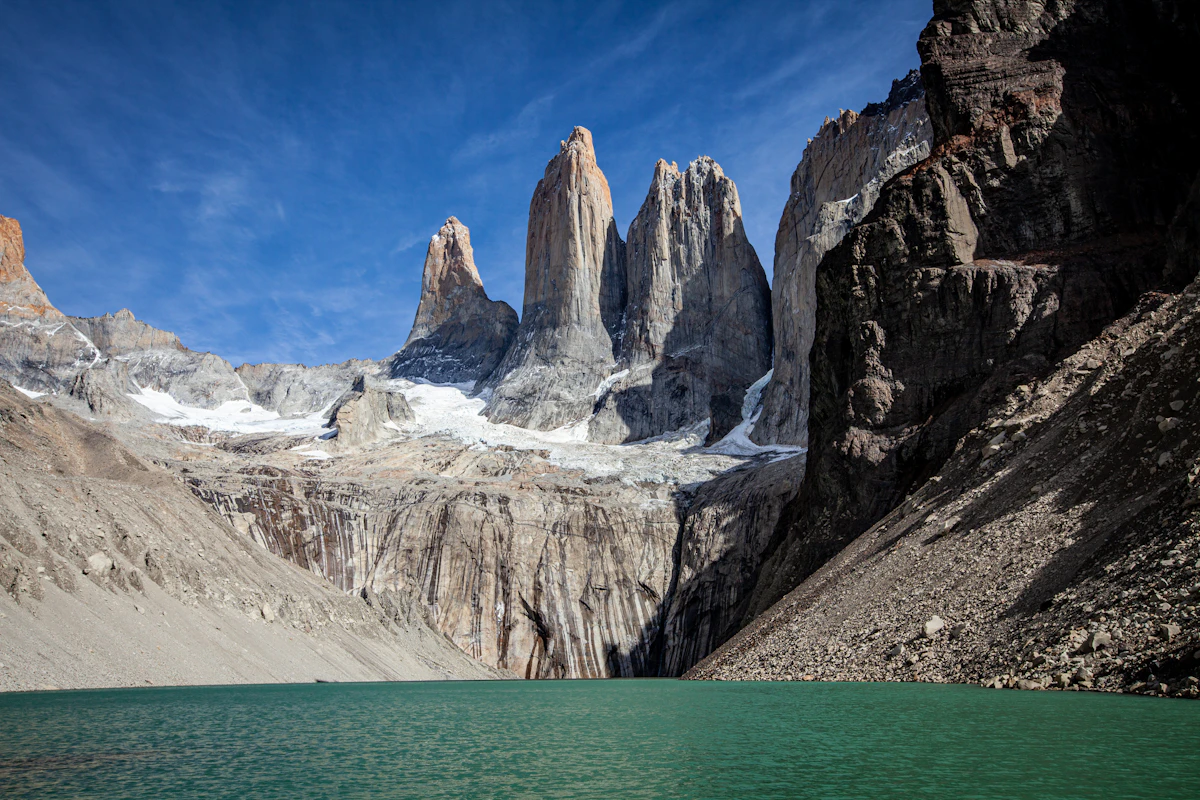
eSIM Horizon na Amerykę Łacińską obejmuje Brazylię, Argentynę i Chile jednym profilem. Urugwaj także jest objęty, a Boliwia i Paragwaj pozostają poza listą.

Przygotuj dane we Francji, a potem używaj jednej eSIM Horizon na Amerykę Łacińską w Meksyku i Brazylii. Zainstaluj wcześniej; kupiona ważność jest liczona od pierwszego udanego połączenia na miejscu.


