



Compra un plan
Elige destino, cantidad de datos y periodo de validez.





No hay fecha límite para el primer uso. Puedes comprar el plan ahora y guardarlo para un futuro viaje.
Compara los planes eSIM actuales para Brasil por datos, validez y precio total. Elige cobertura nacional si todo el viaje es en Brasil, o compara el plan de Latinoamérica si tu ruta por Iguaçu también entra en Argentina.
Un viaje por Brasil suele combinar vuelos internos, traslados urbanos, entradas a parques y largas jornadas de navegación. Calcula los datos para toda la ruta, incluidas las fotos, las videollamadas y el uso de un portátil, y después compara la lista de planes en vivo. Descarga tarjetas de embarque, datos del alojamiento y mapas sin conexión antes de tramos remotos en parques, islas o ríos; más datos no crean señal donde no hay una red asociada disponible.
Política de reembolso
Siempre reembolsamos el importe total que pagaste cuando lo solicitas, tanto si tu eSIM no se ha usado como si se ha usado parcial o totalmente. No hay plazo límite para solicitar un reembolso.
Sin fecha límite de primer uso
La validez no empieza hasta que el eSIM se conecta a una red compatible en tu destino. No hay fecha límite para el primer uso. Puedes comprar el plan ahora y guardarlo para un futuro viaje.
Pago seguro
Tarjetas, Apple Pay y Google Pay, con cifrado de Paysera.
Soporte 24/7 en todos los idiomas
Respuestas instantáneas garantizadas.
Comprueba que tu móvil admite eSIM y está libre, compra el perfil para Brasil e instálalo con Wi-Fi antes de salir. La primera conexión exitosa de la eSIM en Brasil inicia la validez elegida. Al llegar, elige Horizon para los datos móviles, activa la itinerancia de datos en la línea Horizon y déjala desactivada en tu SIM principal si quieres evitar cargos de tu operador habitual. Esta eSIM es solo de datos: no incluye número brasileño ni SMS.
Elige destino, cantidad de datos y periodo de validez.
Escanea el QR o instálalo automáticamente en la app: sin SIM física.
Los datos se activan con la primera conexión en tu destino.
Elige el perfil más parecido a tu viaje. La estimación asume un uso normal: mapas, mensajería, fotos y una llamada corta a casa.
Como referencia, una escapada urbana de 3–4 días gasta unos 1–3 GB, un viaje de una semana 3–5 GB, una ruta de dos semanas por varios países 8–12 GB, y trabajar de viaje consume alrededor de 1 GB al día, así que 15 GB o más para dos semanas.
En total, 3 GB de datos cubren aproximadamente 1000 fotos compartidas, 50 horas de redes sociales y navegación, 8,8 horas de videollamadas, 38 horas de música en streaming o unas 600 horas de mapas y navegación. Las apps de mensajería apenas gastan datos.
Río de Janeiro · Guía de la ciudad
Planifica Río por zonas: Corcovado y el Pan de Azúcar requieren entradas con hora, mientras Copacabana, Ipanema y Santa Teresa ocupan colinas distintas. Guarda cada billete y punto de recogida antes de salir del alojamiento; la reserva del vuelo puede indicar Galeão o Santos Dumont, así que confirma el código del aeropuerto antes de pedir transporte.
eSIM de Río de Janeiro: configúralo antes de volarSalvador · Guía de la ciudad
Pelourinho, el Elevador Lacerda y el frente marítimo hacen de Salvador una ciudad por niveles, no una sola parada compacta. Guarda sin conexión la dirección y el transporte de regreso para Igreja do Bonfim o una excursión costera, y descarga la confirmación del barco antes de salir hacia Morro de São Paulo.
eSIM de Salvador: configúralo antes de volarFoz do Iguaçu · Guía de la ciudad
El parque brasileño ofrece la vista amplia de las cataratas de Iguaçu; el parque argentino implica otro cruce fronterizo y su propia entrada. Guarda el acceso, el transporte y los requisitos de pasaporte antes de salir de Foz, y elige la eSIM Latinoamérica si ambas orillas están confirmadas; Paraguay no está incluido.
eSIM de Foz do Iguaçu: configúralo antes de volarBrasilia · Guía de la ciudad
La catedral, el Congreso Nacional y la Praça dos Três Poderes forman un circuito modernista extendido. Marca las entradas, no solo los nombres, guarda el transporte de regreso sin conexión y confirma el aeropuerto de la reserva antes de salir de la terminal.
eSIM de Brasilia: configúralo antes de volarPor qué Horizon
Usa el selector en vivo para comparar datos, validez y precio total durante todos los días, desde la primera conexión hasta la salida. Una estancia urbana gasta sobre todo en mapas, mensajes y reservas; una ruta con varias paradas añade traslados al aeropuerto, tarjetas de embarque y más tiempo sin Wi-Fi. Todos los planes Horizon incluyen hotspot personal gratuito en un dispositivo compatible, y los equipos conectados consumen la misma asignación. Si cruzas de Foz do Iguaçu a Argentina, compara el plan nacional con la cobertura de Latinoamérica antes de comprar.
Plan para
Brasil
Compara los volúmenes de datos y los periodos de validez publicados para tu destino.
Instálalo con una red Wi-Fi fiable antes de salir y sigue las instrucciones de activación del plan.
Revisa el precio actual, los datos, la validez y la cobertura antes de pagar. Los planes Horizon con datos fijos no tienen reducción de velocidad.
Cuando el plan seleccionado admite reutilización o recargas, Mis eSIM muestra las opciones elegibles para el perfil instalado.
Te avisaremos cuando te acerques a tu límite. Si el plan admite recargas, Mis eSIM muestra las opciones elegibles.
Elige cobertura por país, regional o global y comprueba cada destino en los detalles del plan.
Elige cobertura para Brasil si todas las paradas están dentro del país. Compara el plan de Latinoamérica si el mismo viaje también incluye Argentina, Chile, Colombia, Costa Rica, Ecuador, México, Perú, El Salvador o Uruguay. Revisa la lista de destinos en vivo antes de pagar: Paraguay y Bolivia no están incluidos.
Parte de tu consumo reciente, resta lo que harás con Wi-Fi y añade mapas, apps de transporte, tarjetas de embarque, fotos y llamadas por cada día. Suma el portátil o a tus acompañantes si compartirás el hotspot. Compara el resultado con la validez y el precio total actuales, en vez de comprar solo por el tamaño del país.
Puedes instalarla con Wi-Fi antes de salir. Comprar o añadir el perfil no inicia la validez elegida. Su primera conexión exitosa en Brasil pone en marcha ese periodo. Si lo prefieres, mantén la línea apagada hasta el viaje y elige Horizon para los datos al llegar.
Un plan nacional para Brasil solo cubre Brasil. Entrar al parque argentino supone cruzar una frontera internacional, aunque las cataratas formen una sola visita. Compara el plan de Latinoamérica, que incluye ambos países, o compra coberturas nacionales separadas. Paraguay no está incluido en el plan de Latinoamérica de Horizon.
No. Horizon proporciona datos móviles y no incluye número brasileño, llamadas ni SMS. WhatsApp puede seguir usando el número ya registrado mientras los datos pasan por Horizon. Si mantienes tu SIM habitual activa para llamadas o mensajes, revisa antes las tarifas de roaming de tu operador.
Sí. Compartir internet es gratis en todos los planes Horizon. El móvil debe admitir el anclaje con eSIM, y los portátiles, tabletas o acompañantes consumen la misma asignación; suma su uso previsto al elegir los datos.
Antes de salir de una población con conexión, guarda el mapa exacto del parque o la isla, las instrucciones del traslado, los billetes, el contacto del alojamiento y los datos de regreso. Si se cortan los datos, comprueba que Horizon está activo para datos, la itinerancia está encendida en esa línea, el plan sigue válido y queda saldo. Más datos no amplían la cobertura física; conserva lo esencial sin conexión.
No. Los planes Horizon con datos fijos no tienen reducción de velocidad. No hay un límite diario que te frene, así que puedes usar todo el plan en un día si lo necesitas. La velocidad depende de la red local, de tu señal y de lo saturada que esté la red. Cuando se agotan tus datos, el plan se detiene en lugar de ir más lento.
Sí. Siempre reembolsamos el importe total que pagaste cuando lo solicitas, tanto si tu eSIM no se ha usado como si se ha usado parcial o totalmente. No hay plazo límite para solicitar un reembolso.

La mayoría de los viajes a Brasil caben en 5 GB para una semana y 10 GB para dos. Los vuelos internos, las subidas de la noche y las llamadas a casa mueven la cifra.
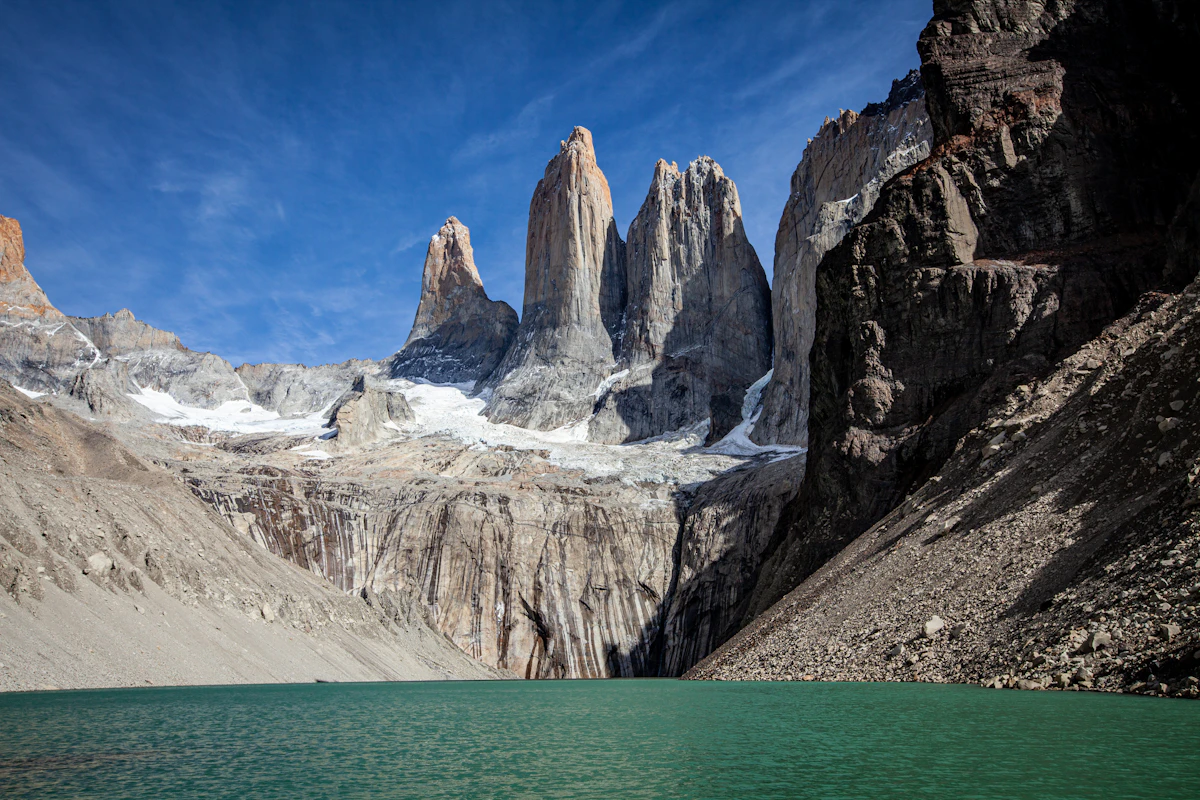
La eSIM de América Latina de Horizon cubre Brasil, Argentina y Chile con un perfil. Uruguay también está incluido; Bolivia y Paraguay quedan fuera de la lista.

Prepara los datos en Francia y usa una eSIM de América Latina Horizon en México y Brasil. Instálala antes; la validez comprada se cuenta desde la primera conexión exitosa allí.


