



EN
“I used the Europe Esim, went through different countries with it and it was working super fast 5G everywhere. Suprised for good!” 




“I used the Europe Esim, went through different countries with it and it was working super fast 5G everywhere. Suprised for good!” “The eSIM worked perfectly during my trip around Europe. It was very easy to install, connected as soon as I arrived, and the internet was fast and reliable everywhere I went. It made travelling much easier because I did not need to buy local SIM cards. Very convenient and worth the price. I would definitely use it again.” No hay fecha límite para el primer uso. Puedes comprar el plan ahora y guardarlo para un futuro viaje.
Compara planes eSIM para la República Checa: Praga y su castillo, Český Krumlov en un meandro del Moldava, Brno junto al karst de Moravia y las columnatas de Karlovy Vary. Ajusta los datos a un viaje de trenes y autobuses y revisa el territorio.
La idea de que el tren cubre todo el país solo es cierta en parte: conviene elegir el transporte antes de reservar. Praga–Brno son 185 a 210 kilómetros y los trenes más rápidos tardan dos horas y treinta y cinco minutos. Para Český Krumlov, el tren exige cambiar en České Budějovice y tarda unas tres horas y media, frente a dos horas y cincuenta minutos en autobús directo. Karlovy Vary está a unas dos horas por carretera y tres o más por tren. Elige el medio de transporte para cada trayecto.
Política de reembolso
Siempre reembolsamos el importe total que pagaste cuando lo solicitas, tanto si tu eSIM no se ha usado como si se ha usado parcial o totalmente. No hay plazo límite para solicitar un reembolso.
Sin fecha límite de primer uso
La validez no empieza hasta que el eSIM se conecta a una red compatible en tu destino. No hay fecha límite para el primer uso. Puedes comprar el plan ahora y guardarlo para un futuro viaje.
Pago seguro
Tarjetas, Apple Pay y Google Pay, con cifrado de Paysera.
Soporte 24/7 en todos los idiomas
Respuestas instantáneas garantizadas.
Configura el perfil de Chequia antes de salir con una conexión de confianza y guarda el pedido fuera del teléfono. Sigue el paso indicado por el plan para asignarlo a datos y déjalo listo antes del tren, no durante las dos horas y treinta y cinco minutos entre Praga y Brno. El aeropuerto Václav Havel, a unos quince kilómetros al oeste del centro, no tiene tren ni metro directos. La ruta habitual combina el trolebús 59 hasta Nádraží Veleslavín y la línea A de metro, unos cuarenta minutos en total, o Airport Express a Hlavní nádraží en cuarenta a cuarenta y cinco. Desactiva los datos de tu contrato habitual salvo que aceptes pagarlos y compruébalo antes de que salga el trolebús 59, no al cambiar al metro.
Elige destino, cantidad de datos y periodo de validez.
Escanea el QR o instálalo automáticamente en la app: sin SIM física.
Los datos se activan con la primera conexión en tu destino.
Elige el perfil más parecido a tu viaje. La estimación asume un uso normal: mapas, mensajería, fotos y una llamada corta a casa.
Como referencia, una escapada urbana de 3–4 días gasta unos 1–3 GB, un viaje de una semana 3–5 GB, una ruta de dos semanas por varios países 8–12 GB, y trabajar de viaje consume alrededor de 1 GB al día, así que 15 GB o más para dos semanas.
En total, 10 GB de datos cubren aproximadamente 3300 fotos compartidas, 167 horas de redes sociales y navegación, 29 horas de videollamadas, 125 horas de música en streaming o unas 2000 horas de mapas y navegación. Las apps de mensajería apenas gastan datos.
Praga · Guía de la ciudad
Praga reúne el castillo y la catedral de San Vito, el puente de Carlos, la plaza de la Ciudad Vieja con su reloj astronómico de 1410, Josefov con el Antiguo Cementerio Judío y la Sinagoga Española, y la colina Petřín con su funicular. El detalle de conexión es vertical: el metro es profundo. Náměstí Míru está a cincuenta y dos o cincuenta y tres metros bajo la calle, al pie de una escalera mecánica de ochenta y siete metros que tarda más de dos minutos; la línea A atraviesa bajo el Moldava.
eSIM de Praga: configúralo antes de volarČeský Krumlov · Guía de la ciudad
Český Krumlov ocupa un meandro cerrado del Moldava, que rodea su casco antiguo reconocido por la UNESCO. Sobre él se alza el castillo con su torre circular pintada y teatro barroco del siglo XVIII; también destacan el Puente de la Capa y el Egon Schiele Art Centrum. Las calles son empinadas y densas, agradables para pasear pero difíciles para la recepción. El autobús directo desde Praga tarda dos horas y cincuenta minutos; el tren requiere cambio en České Budějovice y unas tres horas y media.
eSIM de Český Krumlov: configúralo antes de volarBrno · Guía de la ciudad
Brno alberga el castillo Špilberk, la Villa Tugendhat de Mies van der Rohe reconocida por la UNESCO, la catedral de San Pedro y San Pablo y la cripta de los Capuchinos. Es el trayecto más sencillo: 185 a 210 kilómetros desde Praga, dos horas y treinta y cinco minutos en los trenes más rápidos. Cerca está el karst de Moravia. La visita subterránea a las cuevas de Punkva dura una hora e incluye un tramo en barca a motor; el abismo de Macocha desciende 138,5 metros hasta el lago superior.
eSIM de Brno: configúralo antes de volarKarlovy Vary · Guía de la ciudad
Karlovy Vary es la principal ciudad termal. La Columnata del Molino mide 132 metros, tiene 124 columnas, abrió en 1881 y alberga cinco manantiales. El manantial Vřídlo brota a unos setenta y tres grados y alcanza doce metros de altura. La torre mirador Diana tiene funicular propio. Junto con Mariánské Lázně y Františkovy Lázně forma el triángulo termal de Bohemia occidental. Desde Praga hay 126 a 130 kilómetros y unas dos horas por carretera; los trenes tardan tres o más.
eSIM de Karlovy Vary: configúralo antes de volarPor qué Horizon
Praga merece tres o cuatro días; añadir otra ciudad amplía el viaje a cinco o siete. Mayo, junio y septiembre son los mejores meses. Julio promedia unos diecinueve grados, con máximas de veinticuatro a veintiséis; enero ronda entre menos uno y cero, con máximas de uno a tres. En Praga nieva con frecuencia, pero poco, de diciembre a febrero; Krkonoše y Šumava mantienen nieve de diciembre a marzo. Los mercados navideños de las plazas de la Ciudad Vieja y Wenceslao atraen en invierno, pero hay que contar con días cortos: unas ocho horas de luz a finales de diciembre frente a dieciséis y media a finales de junio.
Plan para
República Checa
Compara los volúmenes de datos y los periodos de validez publicados para tu destino.
Instálalo con una red Wi-Fi fiable antes de salir y sigue las instrucciones de activación del plan.
Revisa el precio actual, los datos, la validez y la cobertura antes de pagar. Los planes Horizon no tienen reducción de velocidad.
Cuando el plan seleccionado admite reutilización o recargas, Mis eSIM muestra las opciones elegibles para el perfil instalado.
Te avisaremos cuando te acerques a tu límite. Si el plan admite recargas, Mis eSIM muestra las opciones elegibles.
Elige cobertura por país, regional o global y comprueba cada destino en los detalles del plan.
Depende del tramo. Praga–Brno favorece al tren: 185 a 210 kilómetros y dos horas y treinta y cinco minutos en los más rápidos. Praga–Český Krumlov es al revés: unas tres horas y media en tren con cambio en České Budějovice, frente a dos horas y cincuenta minutos en autobús directo. Praga–Karlovy Vary tarda unas dos horas por la D6 y tres o más en tren. Kutná Hora es fácil: 62 kilómetros, trenes de cincuenta y un minutos a una hora y diez, y más de cuarenta diarios.
No hay tren directo, algo que puede sorprender al llegar de otras capitales europeas. Václav Havel está a unos quince kilómetros al oeste y no tiene tren ni metro directos. La ruta habitual es el trolebús 59 a Nádraží Veleslavín y la línea A, unos cuarenta minutos. Airport Express llega directo a Hlavní nádraží en cuarenta a cuarenta y cinco; taxi o coche tarda treinta a cuarenta. Deja funcionando la línea de datos antes de elegir.
Sí para la ciudad: castillo y San Vito, puente de Carlos, plaza de la Ciudad Vieja con su reloj astronómico de 1410, Josefov con el Antiguo Cementerio Judío y la Sinagoga Española, y Petřín. Con cinco a siete días puedes añadir otra ciudad. Brno es la más fácil, a dos horas y treinta y cinco en tren; Český Krumlov y Karlovy Vary consumen buena parte del día en transporte si se visitan como excursiones. Kutná Hora, a cincuenta y un minutos, cabe cómodamente en medio día.
Dormir allí permite aprovecharla mejor. El autobús directo desde Praga tarda dos horas y cincuenta minutos por sentido: una excursión supone casi seis horas de transporte y llegar en las horas más concurridas. Alojarte permite disfrutar temprano y tarde del casco antiguo de la UNESCO en el meandro del Moldava, cuando se vacían sus calles empinadas. También deja tiempo para el castillo, su torre circular pintada y teatro barroco del siglo XVIII, el Puente de la Capa y el Egon Schiele Art Centrum. El embalse de Lipno queda a otros treinta o cuarenta minutos.
Kutná Hora destaca por el transporte: 62 kilómetros, trenes de cincuenta y un minutos a una hora y diez y más de cuarenta salidas diarias, por lo que cabe en medio día. Karlštejn y Terezín son otras opciones habituales. Karlovy Vary es posible, a unas dos horas por carretera por sentido, aunque sus columnatas y el triángulo termal se aprovechan más con una noche. Český Krumlov, a dos horas y cincuenta minutos por sentido, suele merecer alojamiento.
En embalses y lagos, durante una temporada corta. Lipno, en Bohemia del Sur, es la mayor masa de agua del país, con unos cuarenta y ocho a cincuenta kilómetros cuadrados, playas y carriles bici, a treinta o cuarenta minutos de Český Krumlov. Slapy y Orlík están en el Moldava, al sur de Praga; Máchovo jezero, más al norte, y el embalse de Brno sirve a la segunda ciudad. El baño es viable de finales de junio a agosto, con unos veinte a veintitrés grados. Las ciudades termales funcionan todo el año, con curas de agua y baños termales.
Sí. El metro de Praga es profundo: Náměstí Míru está a cincuenta y dos o cincuenta y tres metros, al pie de una escalera mecánica de ochenta y siete, y la línea A pasa bajo el Moldava. Blanka reúne unos cinco kilómetros y medio de túnel urbano. La visita al karst de Moravia dura una hora bajo tierra e incluye una barca a motor en un río subterráneo. Evalúa el plan a pie de calle. Si sigue fallando, abre su guía con Wi-Fi, confirma que el perfil checo esté activado y asignado a los datos, y facilita a soporte la referencia del pedido y el modelo del teléfono.
No. Los planes Horizon no tienen reducción de velocidad. No hay un límite diario que te frene, así que puedes usar todo el plan en un día si lo necesitas. La velocidad depende de la red local, de tu señal y de lo saturada que esté la red. Cuando se agotan tus datos, el plan se detiene en lugar de ir más lento.
Sí. Siempre reembolsamos el importe total que pagaste cuando lo solicitas, tanto si tu eSIM no se ha usado como si se ha usado parcial o totalmente. No hay plazo límite para solicitar un reembolso.
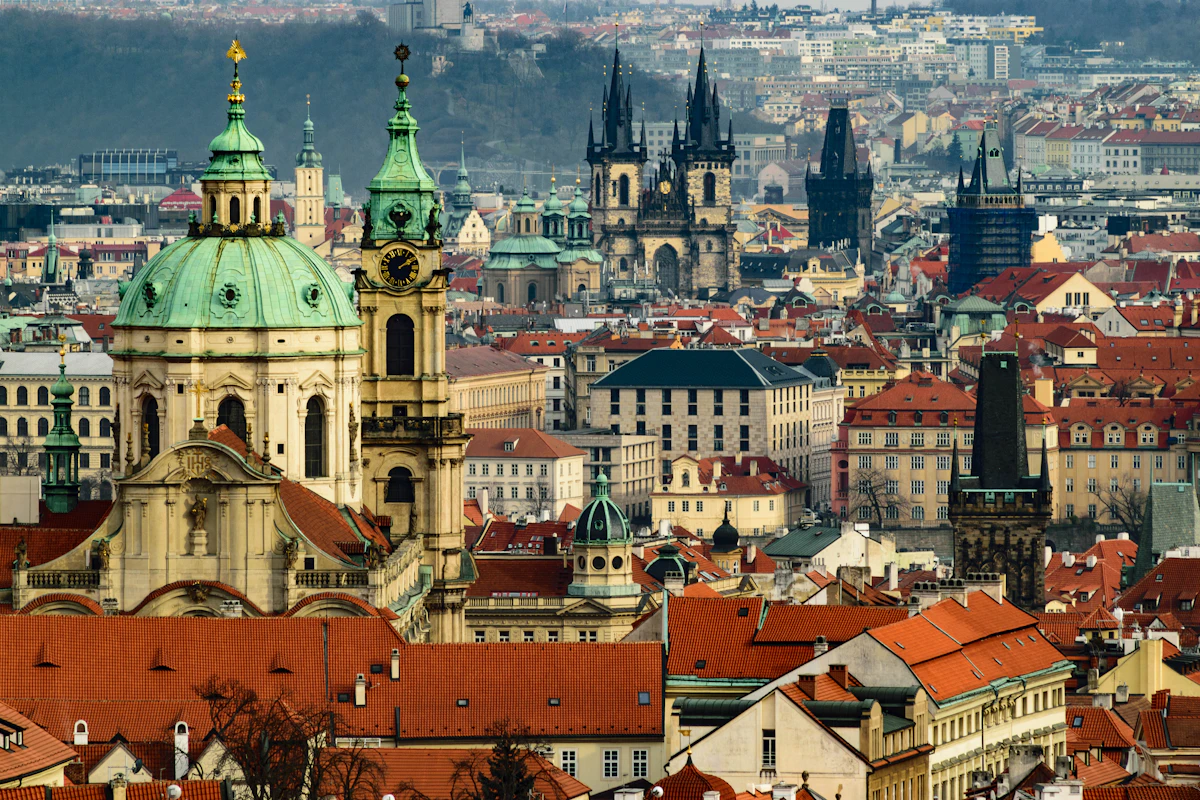
Compara los precios de eSIM de Horizon, Saily, Airalo, Ubigi, Nomad y Holafly para la República Checa, con notas sobre el roaming en la UE, excursiones de un día desde Praga y la asistencia inmediata de Horizon.
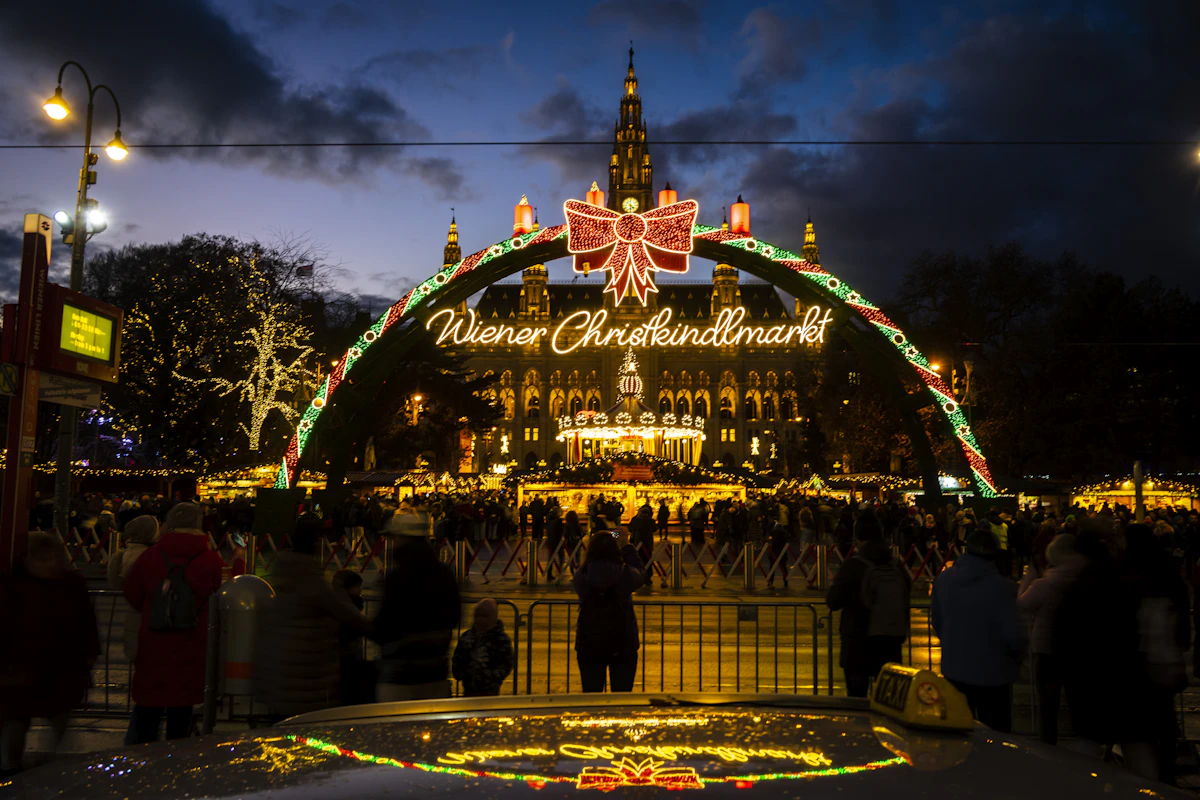
Fechas de apertura y cierre de 2026 de los grandes mercados navideños de Núremberg, Dresde, Múnich, Colonia, Berlín, Stuttgart, Aquisgrán, Viena, Salzburgo y Praga, comprobadas en webs oficiales, con las combinaciones en tren y los hábitos con el móvil que ayudan en la ruta.


