



Buy a plan
Pick a destination, data allowance and validity period.





There is no deadline for first use. You can buy now and keep your plan for a future trip.
Compare Saudi Arabia eSIM plans for Riyadh and Diriyah, the Nabataean tombs at Hegra in AlUla, old Jeddah on the Red Sea and the Asir mountains at Abha. Weigh the allowance against a country crossed by air, then read the territory named on the offer.
The distances here decide the trip before anything else does. Riyadh to Jeddah is about 950 kilometres, Riyadh to AlUla about 1,100, and both are nine to twelve hours of driving against roughly an hour and a half to two hours in the air. Almost every visitor therefore flies between the main stops and drives only locally. What that leaves is a set of very different local landscapes — the Najd plateau, sandstone canyons at AlUla, a Red Sea coast at Jeddah, and mountains near Abha that climb to around 3,000 metres — and each does something different to a signal.
Refund policy
We always refund the full amount you paid when you request it, whether your eSIM is unused, partly used or fully used. There is no time limit for requesting a refund.
No first-use deadline
Validity does not start until your eSIM connects to a supported network at your destination. There is no deadline for first use. You can buy now and keep your plan for a future trip.
Secure checkout
Cards, Apple Pay & Google Pay — encrypted by Paysera.
24/7 support in all languages
Instant replies guaranteed.
Compare current plan prices, data and validity before buying. Install the Saudi Arabia eSIM over your home Wi-Fi before departure and save its instructions offline. Follow the selected plan’s steps for activation and choosing the mobile-data line. King Khalid International Airport is linked to Riyadh by the Yellow Line (Line 4) metro; check the station for your terminal and the current timetable before arrival. Save onward transport details separately for Jeddah or a domestic flight. Before a desert outing such as the Edge of the World, download the route and agree on meeting arrangements, as reception can vary. Review your usual SIM’s data and automatic-switching settings separately to control home-carrier roaming charges.
Pick a destination, data allowance and validity period.
Scan the QR or auto-install in the app — no physical SIM.
Data activates on first connection at your destination.
Pick the profile closest to your trip. The estimate assumes normal use — maps, messaging, photos, a short call home.
As a rule of thumb, a 3–4 day city break runs on about 1–3 GB, a one-week trip on 3–5 GB, a two-week multi-country tour on 8–12 GB, and working on the road takes about 1 GB a day, so 15 GB or more for two weeks.
In total, a 5 GB data allowance covers roughly 1,700 shared photos, 83 hours of social media and browsing, 15 hours of video calls, 63 hours of music streaming, or about 1000 hours of maps and navigation. Messaging apps barely use data.
Riyadh · City guide
Riyadh sits on the Najd plateau and holds Al Masmak Fortress, the National Museum and the Sky Bridge on level 99 of the Kingdom Centre Tower, with the UNESCO-listed At-Turaif district at Diriyah about twenty kilometres and twenty minutes out. The day trip that catches people out is the Edge of the World at Jebel Fihrayn, ninety to a hundred kilometres away and an hour and a half to two hours, where the last stretch is a rough, partly unpaved track ending at a sheer drop off the Tuwaiq escarpment. Save that route before you leave the tarmac.
Riyadh eSIM — set up before you flyAlUla · City guide
AlUla holds Hegra, also called Mada'in Salih, the UNESCO-listed Nabataean site of rock-cut tombs, along with Elephant Rock — Jabal AlFil, a fifty-two-metre sandstone formation — the Old Town and the Maraya concert hall. The sights are spread out among canyons and rock outcrops, and some sit deep in narrow rock corridors where the walls close in overhead. AlUla has its own small airport a few kilometres from town, which matters: from Riyadh it is 1,100 kilometres and ten to twelve hours by road against about an hour and fifty-five minutes by air.
AlUla eSIM — set up before you flyJeddah · City guide
Jeddah faces the Red Sea and keeps Al-Balad, the UNESCO-listed old town of coral-stone merchant houses, alongside the Corniche waterfront, King Fahd's Fountain and Obhur Bay with its creek-side marinas and beach clubs. The reefs sit close offshore, so snorkelling and diving are usually a boat day rather than a swim from the sand — and being out on the water is where a phone stops being useful. The city is about 950 kilometres from Riyadh, which is an hour and thirty-five minutes by air against nine to ten hours of driving.
Jeddah eSIM — set up before you flyAbha and Asir · City guide
Abha sits in the Asir mountains and is the country's cool answer: Al Soudah near Jabal Sawda reaches the highest ground at around 3,000 metres, the old town and Shada Palace are in the city, and the Habala hanging village is reached only by cable car down a cliff face. The roads climb in winding switchbacks to roughly 2,200 to 3,000 metres and fog is common at altitude, which is exactly the combination that thins a signal. Reach it by air — about an hour and twenty from Jeddah, or an hour and twenty to an hour and forty from Riyadh.
Abha and Asir eSIM — set up before you flyWhy Horizon
Seven to ten days covers the Riyadh, AlUla and Jeddah triangle, and four to six is enough for two of the three. Because the legs between them are flights rather than drives, the allowance is spent in cities and on local excursions rather than on the road. Season narrows the choice further: Riyadh runs 39 to 45 degrees from May to September and Jeddah is hot and very humid from May to October, so October to April is when the main sights are comfortable, with roughly 15 to 30 degrees. The exception is Abha, high enough in the Asir mountains to stay in the twenties through the summer months, which is why it has long been a domestic escape.
Plan for
Saudi Arabia
Compare the listed data allowances and validity periods for your destination.
Install over reliable Wi-Fi before departure and follow the plan's activation instructions.
Review the current price, data, validity and coverage before checkout. Horizon plans have no throttling.
When the selected plan supports reuse or top-ups, My eSIMs shows the eligible options for the installed profile.
We'll alert you as you approach your limit. If the plan supports a top-up, My eSIMs shows the eligible options.
Choose country, regional or global coverage and check every destination in the plan details.
Fly, in almost every case, and the numbers explain why. Riyadh to Jeddah is about 950 kilometres — an hour and thirty-five minutes in the air against nine to ten hours of driving. Riyadh to AlUla is about 1,100 kilometres, an hour and fifty-five minutes against ten to twelve hours. Jeddah to AlUla is around 545 kilometres and about an hour and fifteen by air. Those road legs cross largely empty desert, so driving them costs a full day each and puts long stretches between you and anything at all.
Seven to ten days covers the Riyadh, AlUla and Jeddah triangle at a reasonable pace, allowing a day trip or two from each. Four to six days is enough for two of the three, and Riyadh with AlUla is the common pairing because it combines a capital with the Nabataean site most people come for. Add two or three days if you want Abha and the Asir mountains, since that is another flight rather than a drive.
October to April is the answer for Riyadh, AlUla and Jeddah, with roughly 15 to 30 degrees making outdoor sightseeing comfortable. From May to September Riyadh runs 39 to 45 degrees of dry desert heat, and Jeddah is hot and very humid from May to October at 35 to 40 and above. Summer is still possible if you go high instead: Abha and the Asir highlands sit in the twenties even then, which is why they have long been a domestic summer escape, though the same months bring cloud and mist to the escarpment.
It depends entirely on which stop you are at. Riyadh and Jeddah work fine on ride-hailing apps, so most visitors skip the car in both. AlUla is the opposite: the sights are spread out among canyons and rock outcrops, and a car makes the difference between seeing two of them and seeing most. Note that some AlUla sites require booked access while others are self-drive, so check what your chosen sites need before deciding.
Modest dress is expected of everyone. For women, the abaya has not been legally required since the 2019 reforms, but conservative clothing that covers shoulders and knees remains the norm and is what most visitors wear. Men are generally expected to avoid shorts and sleeveless tops away from beach and pool areas. Practices can differ between a Riyadh souq, the Jeddah Corniche and a resort, so it is worth checking what a specific site asks for rather than assuming one rule covers the whole trip.
Yes, and the reason is geography: the coral reefs sit close offshore, so a boat reaches them quickly rather than spending the morning in transit. The Red Sea is narrow and semi-enclosed, which generally leaves the water clear and calm. Obhur Bay north of the city is the usual base, with creek-side marinas, beach clubs and yacht clubs. Plan it as a boat day rather than a beach day — once you are out over the reefs you are away from shore, so download what you need beforehand.
Usually not. Several of this country's best sights are exactly the places terrain interferes with: some AlUla sites sit deep in narrow rock corridors, the last approach to the Edge of the World is a rough partly unpaved track ending at a sheer escarpment drop, the Asir roads climb in switchbacks to 2,200 to 3,000 metres with fog common at altitude, and Red Sea reef trips take you out over open water. Judge the plan back in Riyadh, Jeddah or AlUla town. If it genuinely fails there, use Wi-Fi to reopen the plan's own setup guide, confirm the Saudi Arabia profile is enabled and set as the mobile-data line, follow its roaming and APN steps in order, and give support the order reference and handset model.
No. Horizon plans have no throttling. There is no daily limit that slows you down, so you can use your whole plan in one day if you need to. Your speed depends on the local network, your signal and how busy the network is. When your data allowance is used up, the plan stops rather than slowing down.
Yes. We always refund the full amount you paid when you request it, whether your eSIM is unused, partly used or fully used. There is no time limit for requesting a refund.
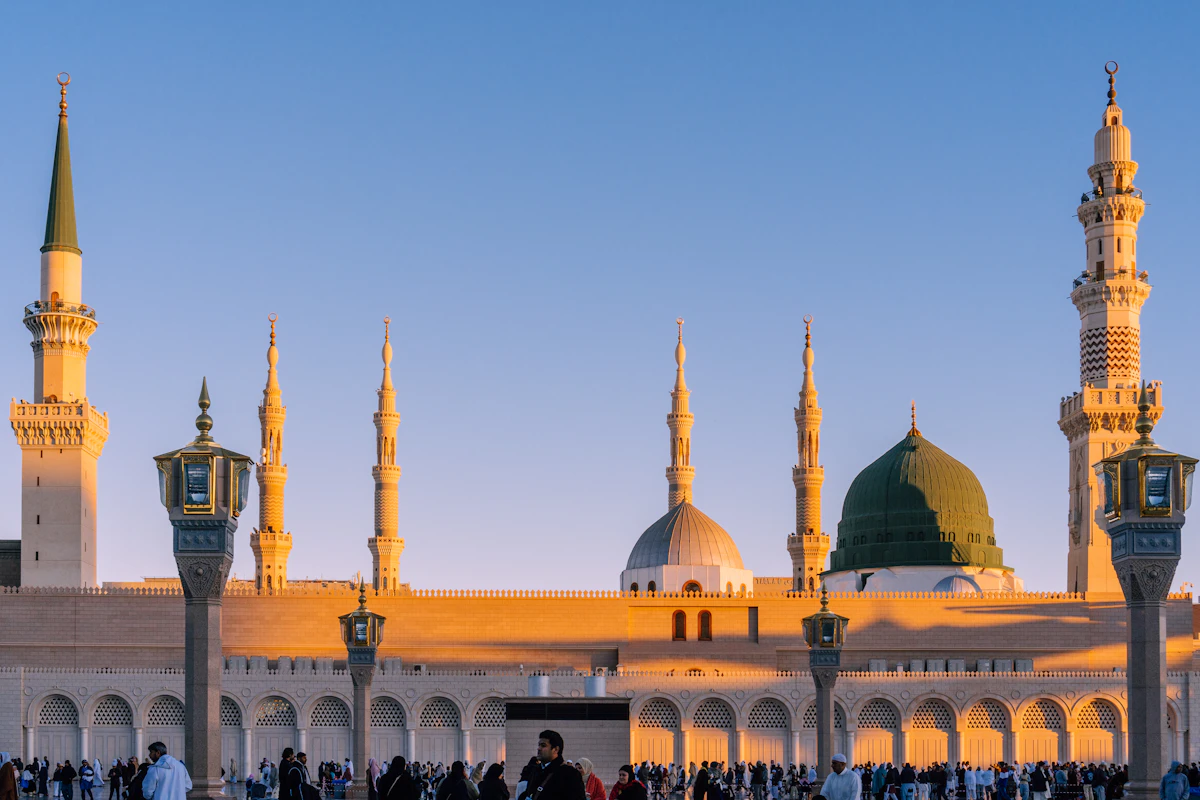
Horizon leads the checked smaller fixed-data tiers; Nomad’s 20 GB price is lower. Compare your allowance before choosing.
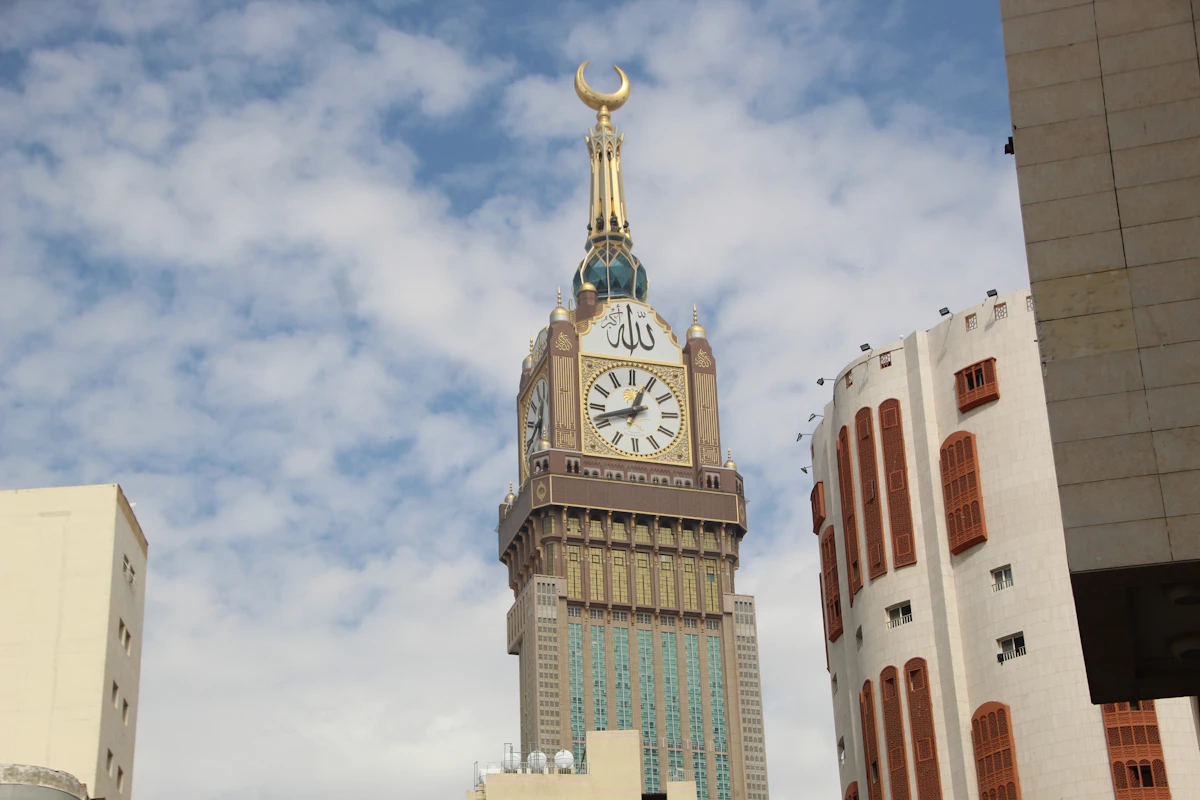
Nusuk permits, the Rawdah booking, the train between the holy cities and a family's meeting points all run through the phone. Which line should carry data in Saudi Arabia, what to set up at home, and how much a fortnight needs.
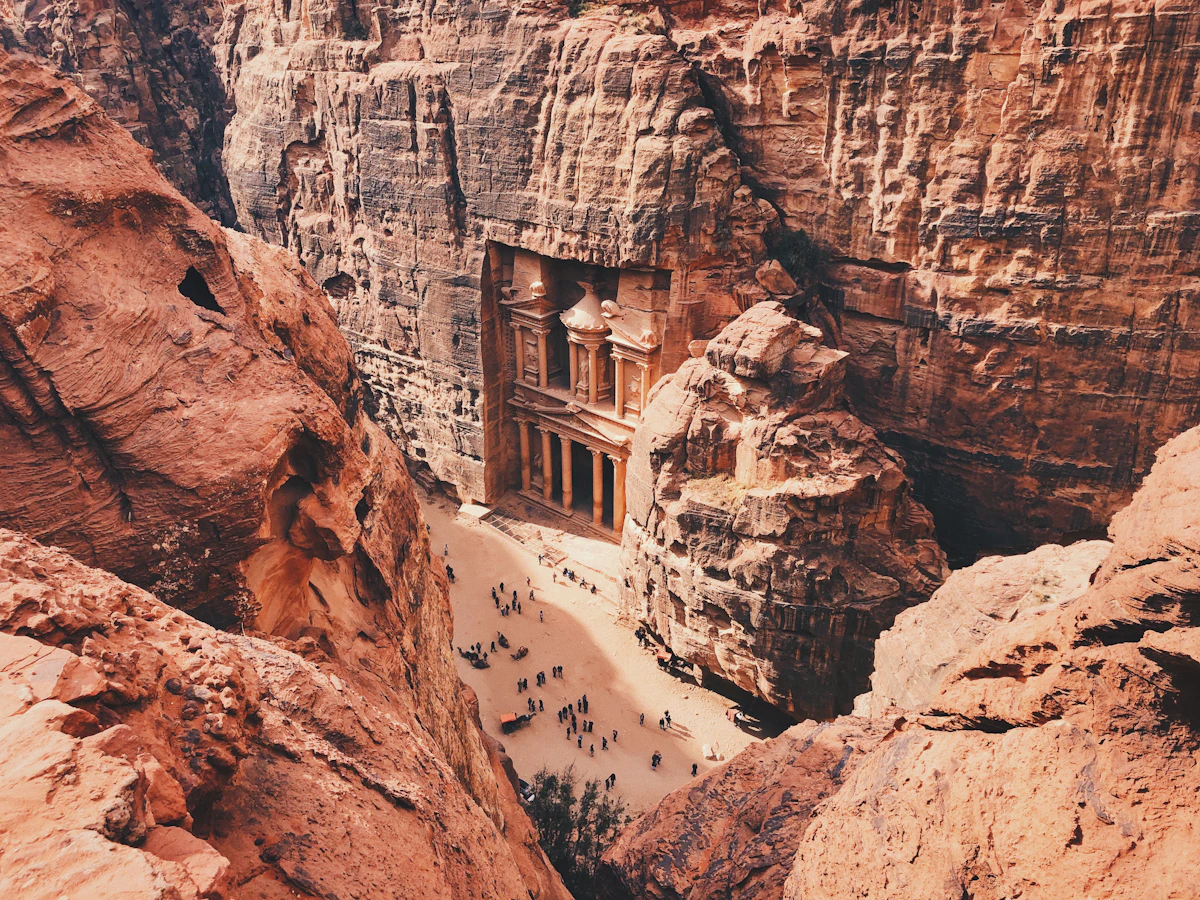
Saudi Arabia, Qatar, Oman and Egypt share Horizon’s Middle East package; Jordan needs separate coverage on new purchases. Plan the regional and country options around your actual route.


