



Buy a plan
Pick a destination, data allowance and validity period.





Compare Argentina eSIM plans for the Buenos Aires barrios, the Iguazú park circuits, the Mendoza wine districts and the glacier country around El Calafate. Set the allowance against a trip that is stitched together by internal flights, then read the territory, device support and hotspot terms written into the offer itself.
Argentina's size is the fact that reorganises everything else. Buenos Aires to the Iguazú falls is roughly 1,300 kilometres; Buenos Aires to Mendoza about 986; El Calafate in the far south is a three-hour flight from the capital and a multi-day drive by road. Almost every visitor covers those gaps by air, and plenty of itineraries change airports inside the capital, since Ministro Pistarini at Ezeiza handles the international arrival while Aeroparque Jorge Newbery, in the city by the river, handles domestic legs. Between the southern towns, Ruta 40 and the steppe run unpopulated for long stretches, and that, rather than any city block, is what deserves planning before the first internal flight.
Refund policy
Get a full refund within 7 days if no data is used, even after installation. If it doesn't work and we can't fix it, we refund you.
Activation window
Check the package details for the first-use deadline and validity rules.
Secure checkout
Cards, Apple Pay & Google Pay — encrypted by Paysera.
Customer support
Contact support before or during your trip if you need help.
Check the selected plan's activation, validity-start and first-use requirements before adding the Argentina profile. If they permit early installation, use Wi-Fi before departure and keep the order paperwork outside the handset. Follow the plan's instructions for selecting the mobile-data line. Buenos Aires has separate airports at Ezeiza and Aeroparque Jorge Newbery, so confirm the airport on each flight and save the transfer details and first address offline. Turn the home line's mobile data off before travel unless you have chosen to use it and accept its roaming charges.
Pick a destination, data allowance and validity period.
Scan the QR or auto-install in the app — no physical SIM.
Data activates on first connection at your destination.
Pick the profile closest to your trip. The estimate assumes normal use — maps, messaging, photos, a short call home.
As a rule of thumb, a 3–4 day city break runs on about 1–3 GB, a one-week trip on 3–5 GB, a two-week multi-country tour on 8–12 GB, and working on the road takes about 1 GB a day, so 15 GB or more for two weeks.
In total, a 5 GB data allowance covers roughly 1,700 shared photos, 83 hours of social media and browsing, 15 hours of video calls, 63 hours of music streaming, or about 1000 hours of maps and navigation. Messaging apps barely use data.
Buenos Aires · City guide
Explore Buenos Aires barrio by barrio: Recoleta Cemetery, Teatro Colón, the MALBA collection and Caminito's painted fronts in La Boca. Walking and Subte journeys link different parts of the visit. Reception can vary between stations, trains and street level, so save the route and meeting point before going underground. Ezeiza and Aeroparque Jorge Newbery are separate airports; check the one named on each booking before arranging a transfer.
Buenos Aires eSIM — set up before you fly →Puerto Iguazú · City guide
Puerto Iguazú is the base for the falls, with the park gate roughly 18 kilometres out of town. Inside it, the Upper and Lower Circuits and the catwalk to the Devil's Throat keep a visitor deep in protected rainforest for most of the day, and the Gran Aventura boat run goes beneath the drops, canopy above and gorge walls on both sides. Buenos Aires is about 1,300 kilometres away: near enough an hour and fifty minutes by air, or seventeen to eighteen hours by bus.
Puerto Iguazú eSIM — set up before you fly →El Calafate · City guide
El Calafate is the door to Los Glaciares National Park: Perito Moreno lies about 80 kilometres from town, an hour by road, with the Glaciarium ice museum closer in. El Chaltén and the Laguna de los Tres trail up towards Fitz Roy are 215 kilometres and roughly three hours north. What lies between the towns is the point, long unpopulated stretches of Ruta 40 and open steppe, so the route, the trailhead and the booking are worth having on the phone before departure.
El Calafate eSIM — set up before you fly →Mendoza · City guide
Mendoza is a tidy grid whose real business happens outside it. The Luján de Cuyo and Valle de Uco wine districts are a drive from the centre, and the Alta Montaña route climbs west past Puente del Inca towards Aconcagua Provincial Park, some 185 kilometres away. That is Andean highway, where passes and valley walls shape what a phone can do far more than any street corner. Buenos Aires is 986 kilometres off: about an hour and fifty-five flying, thirteen to fifteen hours by road.
Mendoza eSIM — set up before you fly →Why Horizon
Match the days and the territory to the flight plan rather than to the map, because a first trip wanting Buenos Aires, Iguazú and southern Patagonia is really three bases with internal flights between them. The seasons pull in opposite directions too: Patagonian hiking often centres on November to March, while Perito Moreno also receives winter visitors. Buenos Aires turns hot and humid through January and February and is mildest in October and November or March and April, and Iguazú is fullest in the wet months from about November to March. Reception depends on the plan, handset, partner network and exact location, including Subte stations, Iguazú's forest, the Andean roads west of Mendoza and Ruta 40's open steppe. Check the destinations named on the offer before relying on it.
Plan for
Argentina
Compare the listed data allowances and validity periods for your destination.
Install over reliable Wi-Fi before departure and follow the plan's activation instructions.
Review the current price, data, validity, coverage and fair-use terms before checkout.
When the selected plan supports reuse or top-ups, My eSIMs shows the eligible options for the installed profile.
We'll alert you as you approach your limit. If the plan supports a top-up, My eSIMs shows the eligible options.
Choose country, regional or global coverage and check every destination in the plan details.
For the long legs, yes, and almost everyone does. Buenos Aires to Iguazú is roughly 1,300 kilometres, about an hour and fifty minutes in the air against seventeen to eighteen hours on a bus. Buenos Aires to Mendoza is 986 kilometres, an hour and fifty-five flying against thirteen to fifteen by road. El Calafate is a three-hour flight and a multi-day drive. There is also no practical direct land route from Iguazú to Mendoza or El Calafate; both connect through Buenos Aires.
They run regularly and they are comfortable, but they cost days rather than hours. Buenos Aires to Iguazú is seventeen to eighteen hours by bus, Mendoza thirteen to fifteen, and Bariloche about twenty across 1,621 kilometres against a two-hour flight. A bus earns its place when the overnight replaces a hotel night, or when the country between the towns is itself the reason for going. On a two-week itinerary, giving up three nights to the road is usually the wrong trade.
Count each region as a base of its own. Buenos Aires repays three or four days on foot across Recoleta, La Boca and the museums; Puerto Iguazú wants two nights so the Upper and Lower Circuits are not rushed; El Calafate needs two or three for Perito Moreno, more if El Chaltén is added 215 kilometres north. With internal flights linking them, a first trip taking in all three rarely works in under twelve days.
They can, but only as an air itinerary, and several connections route back through the capital, often changing airports there, since Ezeiza takes the international arrival while Aeroparque Jorge Newbery takes most domestic legs. No practical direct land link joins Iguazú to El Calafate. For the Patagonian part, November–March is a usual hiking season, while a Perito Moreno visit can also use winter opening hours. Before fixing the flights, confirm the park and road access, available lodging and any weather limits on the excursions you want.
Argentina lies in the southern hemisphere, so summer is December to February and winter June to August. For seasonal planning, hiking in Patagonia commonly fits November–March; the Perito Moreno visitor area also has a winter timetable. Match the date to current park entry, roads, accommodation and weather restrictions on individual outings. Buenos Aires turns hot and humid in January and February and is mildest in October and November or March and April. Iguazú is fullest in the wet months, about November to March.
The Argentine side is the walking day. From Puerto Iguazú the park gate is about 18 kilometres out, and the Upper and Lower Circuits plus the catwalk to the Devil's Throat put you among the drops for hours, with the Gran Aventura boat run beneath them. The Brazilian side at Foz do Iguaçu gives the panorama and a shorter visit. Crossing the tri-border, where Ciudad del Este in Paraguay is also a short drive over the bridges, means a different country and a different plan territory.
A missing signal does not identify the cause by itself. Reception along Ruta 40, inside Iguazú's forest and on the Andean roads depends on location, network, handset and plan. When it is safe to check, open the purchase's setup guide, confirm the Argentina profile is enabled and selected for data, and check the plan's validity and remaining allowance. Use available Wi-Fi to contact support with your order reference and phone model if the problem continues. Save routes and bookings before leaving a connected location.
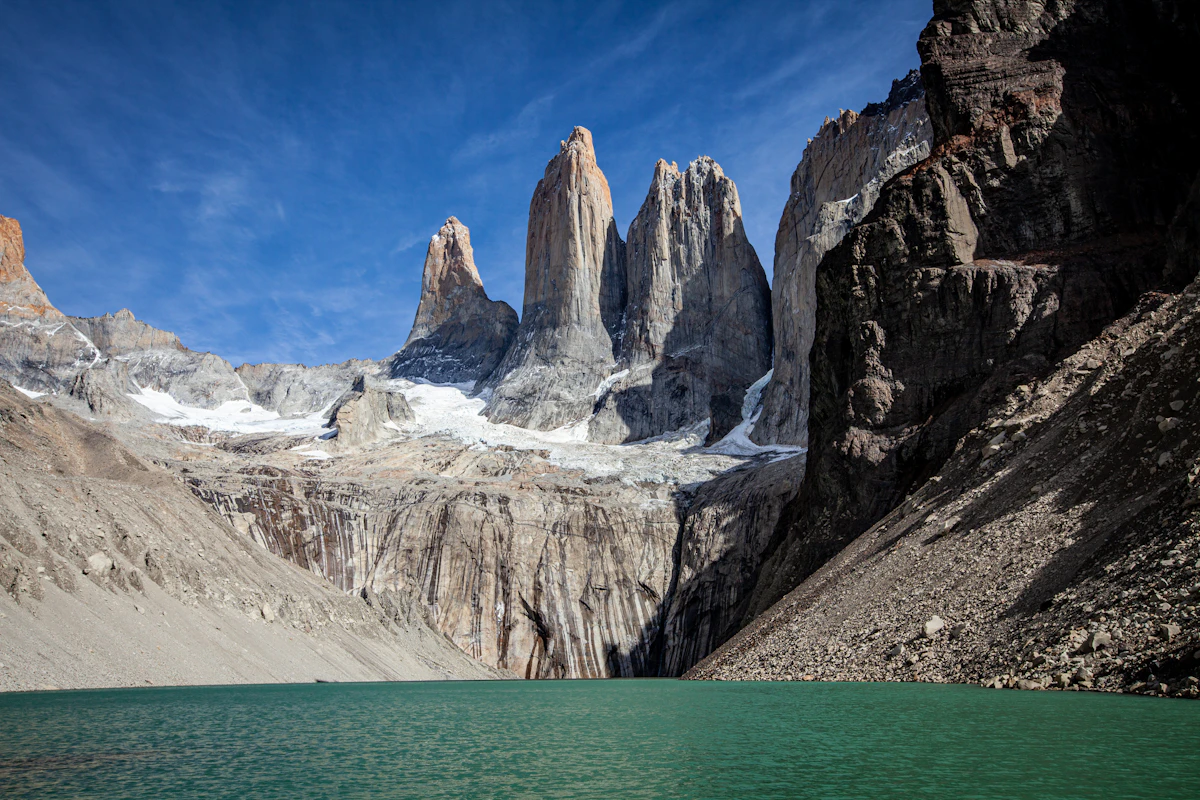
Horizon sells the three as separate country plans, and no South American bundle exists. The one-eSIM answer is the Global listing, and only where its own destination list names every stop.
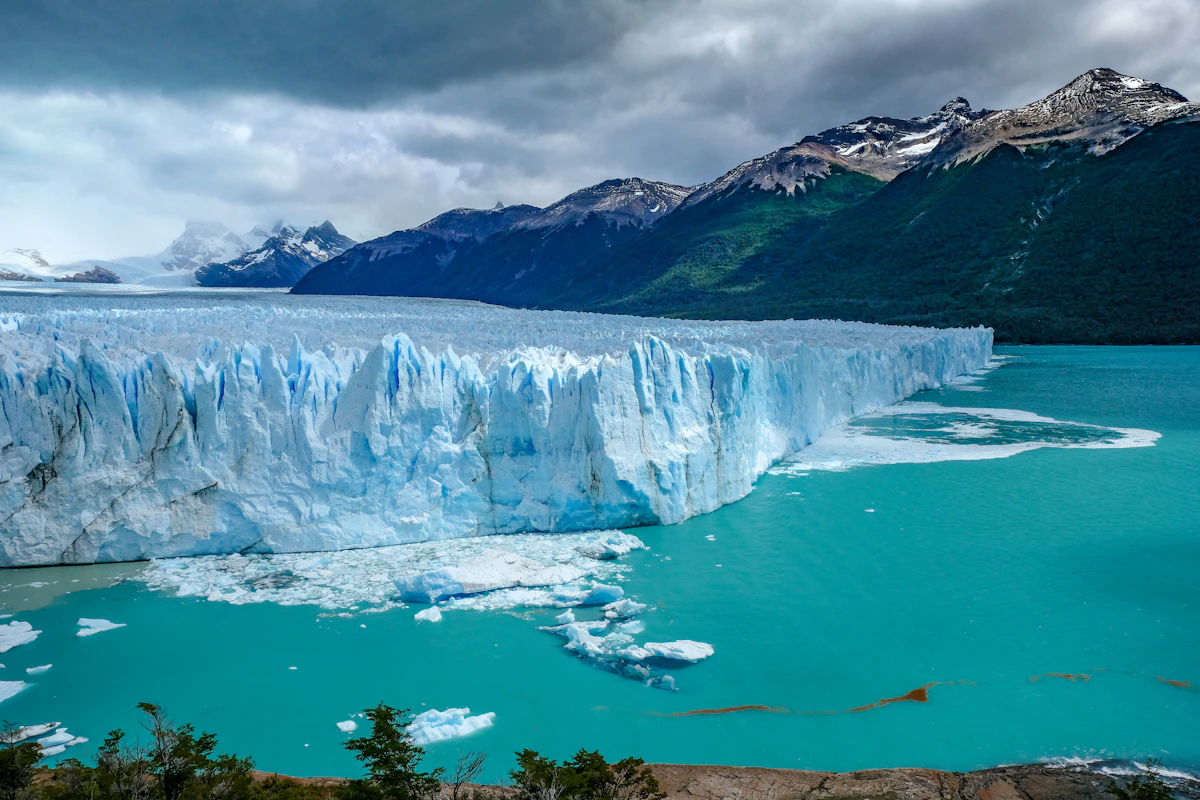
Argentina is not a route but three bases linked by internal flights, most of them routing back through Buenos Aires. What that changes about the days you buy.


