


Buy a plan
Pick a destination, data allowance and validity period.






Build the Chile transport chain before comparing eSIMs by data, validity, listed territory, device support and checkout total. Separate SCL from the Santiago address, the Valparaíso or Viña intercity arrival from the hill route, Calama from San Pedro, and every Puerto Natales or Torres del Paine park stage.
Chile stretches across desert, Andes, islands and far-south waterways, so an airport screen is only one part of many routes. Where service exists, mobile data may retrieve current departures, official ground-transport instructions, operator messages and permit records; it does not establish route-wide reception or emergency access. Save terminals, exact addresses, tickets, park permits, meeting points, return times and emergency details offline before long desert, mountain, island or Patagonia stages.
Refund policy
We always refund the full amount you paid when you request it, whether your eSIM is unused, partly used or fully used. There is no time limit for requesting a refund.
Activation window
Check the package details for the first-use deadline and validity rules.
Secure checkout
Cards, Apple Pay & Google Pay — encrypted by Paysera.
Customer support
Contact support before or during your trip if you need help.
Set up the Chile eSIM over dependable Wi-Fi before flying and store its QR or manual details away from the travel phone. Keep the profile off until arrival. In Chile, select Horizon for mobile data and turn on roaming for that line. Its first successful connection to a supported network in Chile activates the package and starts the purchased validity. Leave data switching and roaming off on the home line unless you intend to use it. Before leaving SCL or Puerto Natales, download the next transfer and route.
Pick a destination, data allowance and validity period.
Scan the QR or auto-install in the app — no physical SIM.
Data activates on first connection at your destination.
Pick the profile closest to your trip. The estimate assumes normal use — maps, messaging, photos, a short call home.
As a rule of thumb, a 3–4 day city break runs on about 1–3 GB, a one-week trip on 3–5 GB, a two-week multi-country tour on 8–12 GB, and working on the road takes about 1 GB a day, so 15 GB or more for two weeks.
In total, a 5 GB data allowance covers roughly 1,700 shared photos, 83 hours of social media and browsing, 15 hours of video calls, 63 hours of music streaming, or about 1000 hours of maps and navigation. Messaging apps barely use data.
Santiago · City guide
At Santiago's Arturo Merino Benítez Airport, first confirm the terminal printed on the ticket and follow current official ground-transport signs or staffed desks. Treat the marked pickup and city drop-off as one booking, then plan a separate metro, bus, taxi or walking handoff to the accommodation's exact entrance. Do not let an airport vehicle's destination name stand in for the final address. Store terminal, official pickup, city stop, lodging pin and a fallback contact before leaving SCL.
Santiago eSIM — set up before you fly →Valparaíso / Viña del Mar · City guide
An intercity ticket to Valparaíso or Viña del Mar ends at the named terminal, not automatically at the accommodation. Confirm which city and building appear on the ticket, then map the local bus, taxi, walking climb or other booked connection to the exact street entrance. Valparaíso's hills, stairs and changing elevation can make a short map distance a different final stage; Viña has its own local address and return stop. Save the intercity arrival, hill route, lodging entrance and last terminal return offline.
Valparaíso / Viña del Mar eSIM — set up before you fly →Calama / San Pedro de Atacama · City guide
For San Pedro de Atacama, begin with the actual Calama arrival: El Loa Airport or the terminal named by the ticket. Store the transfer operator, pickup point and San Pedro drop-off separately from the tour office, excursion meeting location and accommodation. Add the return pickup and Calama departure before leaving for any desert route. Long distances, altitude and terrain make mobile data an unsuitable emergency assumption, so keep operator contacts, itinerary and fallback instructions fully offline.
Calama / San Pedro de Atacama eSIM — set up before you fly →Puerto Natales / Torres del Paine · City guide
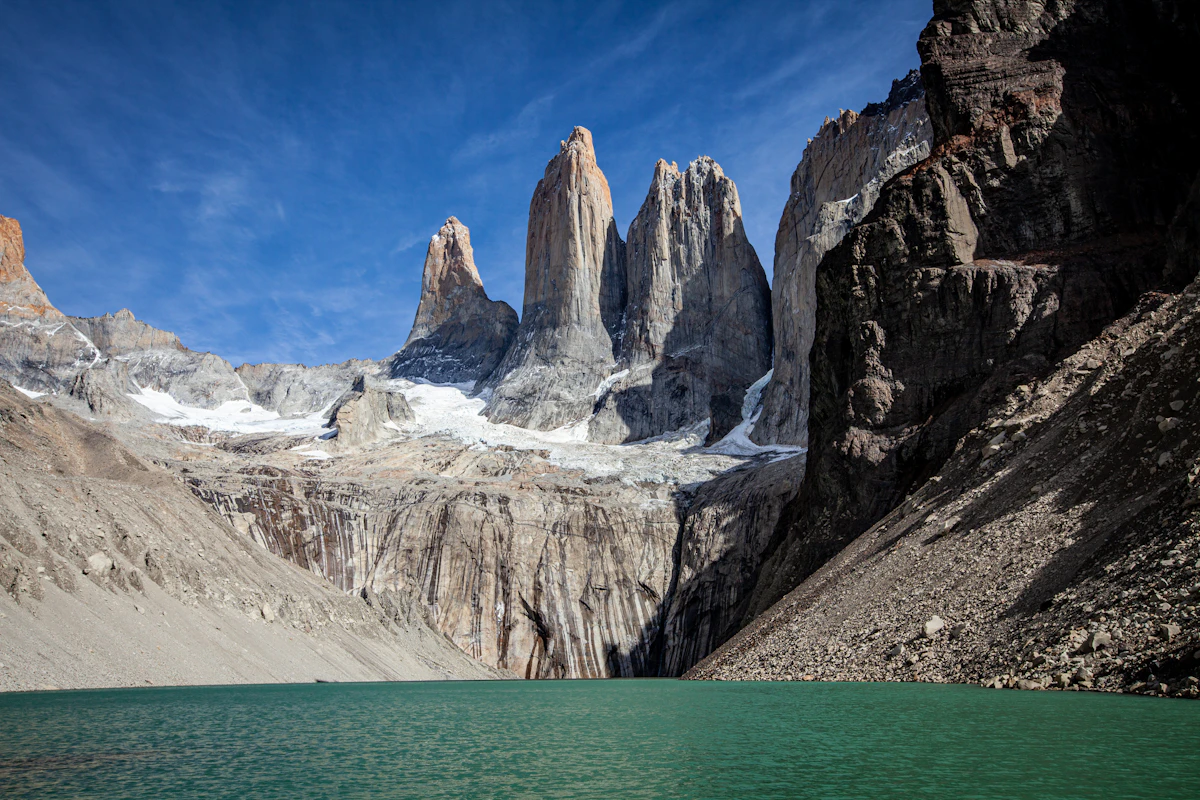
A Puerto Natales and Torres del Paine itinerary may combine a flight, airport or intercity bus, ferry, park vehicle and walking stage; use only the sequence shown by the actual bookings. Match every terminal, dock, park entrance and pickup to a time, then store the accommodation or refuge, return transport and required permits as separate records. Download emergency contacts, park instructions and route details before leaving a staffed point. Wind, mountains, water and distance can interrupt transport and reception, so data is not an emergency plan.
Puerto Natales / Torres del Paine eSIM — set up before you fly →Why Horizon
Estimate data for the whole Chile transport chain: SCL handoffs, intercity tickets, Atacama tour messages, Patagonia permits and accommodation contacts. This is a data-only eSIM with no local number or ordinary SMS, while hotspot sharing is free on every Horizon plan and uses the same allowance. Choose Chile-only for data days inside the country; compare Latin America when the route also enters another included country.
Plan for
Chile
Compare the listed data allowances and validity periods for your destination.
Install over reliable Wi-Fi before departure and follow the plan's activation instructions.
Review the current price, data, validity, coverage and fair-use terms before checkout.
When the selected plan supports reuse or top-ups, My eSIMs shows the eligible options for the installed profile.
We'll alert you as you approach your limit. If the plan supports a top-up, My eSIMs shows the eligible options.
Choose country, regional or global coverage and check every destination in the plan details.
Build the route first: Santiago handoffs, Valparaíso or Viña, the Calama–San Pedro transfer, and any Puerto Natales or park stage. Count the days from arrival through the final return and include hotspot use. Then compare the live offers by total data, validity, device compatibility, territory and checkout total. Keep tickets, permits and remote-road notes offline regardless of the allowance chosen.
You can install the profile before departure without using up travel days. Leave it disabled while outside Chile. Once there, make Horizon the data line and enable roaming on it. The first successful connection to a supported network in Chile activates the package and begins the purchased validity. If data does not load, keep the profile installed and recheck the supplied setup guide over Wi-Fi.
It provides mobile data, not a Chilean number or ordinary SMS. WhatsApp continues with the number already registered to your account, which is useful for transfer and refuge messages. A compatible dual-line phone may keep the home SIM available under its carrier's roaming charges. Hotspot sharing is free on every Horizon plan. A companion or laptop uses the same data allowance.
Save the Calama arrival terminal, transfer company and pickup, San Pedro drop-off, accommodation entrance, tour operator, actual excursion meeting point and the complete return to Calama. Add written contact and fallback instructions outside the live app before a desert departure. Do not use mobile data or a location indicator as emergency assurance on remote Atacama or Altiplano roads; distance, altitude and terrain may make both unavailable when needed.
Export the flight or bus ticket, ferry details if booked, every terminal or dock, park-entry permit, accommodation or refuge, emergency contacts, booked pickup and return departure. Tie each item to a date and time and follow current park and operator instructions. Far-south wind, water, mountains and distance can alter a transport chain and interrupt reception. An eSIM may help with updates where service exists, but it is not the permit, locator or emergency plan.
Choose Chile when every mobile-data day remains in the country. The regional product is relevant only if the same trip also enters a listed destination: Argentina, Brazil, Chile, Colombia, Costa Rica, Ecuador, Mexico, Peru, El Salvador or Uruguay. Bolivia and Paraguay are outside that list, so an Andean border itinerary may need another product. Neither option guarantees reception on every desert road, island, ferry or Patagonia trail.