



Buy a plan
Pick a destination, data allowance and validity period.





There is no deadline for first use. You can buy now and keep your plan for a future trip.
Compare current Argentina eSIM plans by data, validity and total price. Choose country coverage for Buenos Aires, Mendoza, Iguazú and Patagonia, or compare Latin America coverage when the itinerary also includes Brazil or Uruguay.
Argentina's main travel regions are separated by long flights and road legs. Budget data for airport transfers, digital tickets, maps, bookings and messages across the full itinerary, then add video calls, photo uploads or laptop use. Save the next address, park entry and offline route before leaving Buenos Aires, Puerto Iguazú, Mendoza or El Calafate for remote roads and protected areas.
Refund policy
We always refund the full amount you paid when you request it, whether your eSIM is unused, partly used or fully used. There is no time limit for requesting a refund.
No first-use deadline
Validity does not start until your eSIM connects to a supported network at your destination. There is no deadline for first use. You can buy now and keep your plan for a future trip.
Secure checkout
Cards, Apple Pay & Google Pay — encrypted by Paysera.
24/7 support in all languages
Instant replies guaranteed.
Check that your phone supports eSIM and is carrier-unlocked, then buy and install the Argentina profile over Wi-Fi before departure. Purchase and installation leave the selected validity unused. The eSIM's first successful connection in Argentina starts it. On arrival, select Horizon for mobile data, enable data roaming on that line and keep data roaming off on your home SIM if you want to avoid home-carrier charges. The eSIM is data-only and does not include an Argentine number or SMS.
Pick a destination, data allowance and validity period.
Scan the QR or auto-install in the app — no physical SIM.
Data activates on first connection at your destination.
Pick the profile closest to your trip. The estimate assumes normal use — maps, messaging, photos, a short call home.
As a rule of thumb, a 3–4 day city break runs on about 1–3 GB, a one-week trip on 3–5 GB, a two-week multi-country tour on 8–12 GB, and working on the road takes about 1 GB a day, so 15 GB or more for two weeks.
In total, a 10 GB data allowance covers roughly 3,300 shared photos, 167 hours of social media and browsing, 29 hours of video calls, 125 hours of music streaming, or about 2000 hours of maps and navigation. Messaging apps barely use data.
Buenos Aires · City guide
Build separate map lists for Recoleta, Teatro Colón, MALBA and La Boca rather than treating Buenos Aires as one pin. Save the next meeting point before entering the Subte, and check whether each flight uses Ezeiza or Aeroparque before booking an airport transfer.
Buenos Aires eSIM — set up before you flyPuerto Iguazú · City guide
The Argentine park's Upper and Lower Circuits and Devil's Throat walkway turn the falls into a full park day. Download entry documents and shuttle information before departure; a visit to the Brazilian side needs a separate ticket and cross-border coverage such as the current Latin America eSIM.
Puerto Iguazú eSIM — set up before you flyEl Calafate · City guide
Use El Calafate as the planning base for Perito Moreno and onward travel toward El Chaltén. Store park reservations, trail information and the pickup address offline before leaving town, and carry a charged power bank on road days across the steppe.
El Calafate eSIM — set up before you flyMendoza · City guide
Mendoza's centre, the wine areas around Luján de Cuyo and Valle de Uco, and the route toward Aconcagua require different pickups and reservations. Save the exact meeting point and booking contact before departure, especially when a tour or bus continues toward the Chilean border.
Mendoza eSIM — set up before you flyWhy Horizon
Compare enough validity for every day from first connection through your final domestic leg, then size data around actual use. Buenos Aires may mean maps and ride apps; Iguazú and Patagonia add digital park documents, transfers and more offline preparation. Every Horizon plan includes free hotspot sharing on a compatible device, with connected devices using the same allowance. If the trip crosses to Brazil or Uruguay, compare the country plan with the exact Latin America destination list before purchase.
Plan for
Argentina
Compare the listed data allowances and validity periods for your destination.
Install over reliable Wi-Fi before departure and follow the plan's activation instructions.
Review the current price, data, validity and coverage before checkout. Horizon fixed-data plans have no throttling.
When the selected plan supports reuse or top-ups, My eSIMs shows the eligible options for the installed profile.
We'll alert you as you approach your limit. If the plan supports a top-up, My eSIMs shows the eligible options.
Choose country, regional or global coverage and check every destination in the plan details.
Choose Argentina-only coverage when every stop is inside Argentina. Compare the Latin America plan when the route also includes Brazil, Chile, Colombia, Costa Rica, Ecuador, Mexico, Peru, El Salvador or Uruguay. Check the live list before paying: Paraguay and Bolivia are not included.
Use your recent phone usage as the baseline, subtract activity you will keep on Wi-Fi, then add maps, ride apps, digital tickets, photos and calls for each day. Include laptop or companion use if you will share the hotspot. Compare the result with current validity and total price; long distances affect trip planning, but they do not by themselves consume data.
Install it over Wi-Fi before departure. The selected validity does not begin at purchase or installation. It begins after the eSIM's first successful connection in Argentina. Keep it off until travel if you prefer, then select Horizon for mobile data and enable data roaming on that line.
No. An Argentina country plan covers Argentina only. The Brazilian side of the falls and the Uruguayan shore are separate countries. Compare the Latin America plan, which includes Argentina, Brazil and Uruguay, or buy separate country plans. Always verify the live destination list before payment.
No. Horizon provides mobile data without an Argentine number, calls or SMS. WhatsApp can keep the number already registered in the app while using Horizon data. Keep mobile data off on your home SIM; any calls or texts on that line remain subject to its roaming terms.
Yes. Hotspot sharing is free on every Horizon plan. Your phone must support tethering with eSIM, and every connected laptop, tablet or companion uses the same plan allowance. Include that shared use when choosing data.
Download the exact road or trail map, park entry, fuel or transfer stops, accommodation contact and return details while connected. If data stops, check that Horizon is the data line, data roaming is enabled there, the plan is valid and data remains. Reception depends on location and available partner networks, so keep essential documents offline.
No. Horizon fixed-data plans have no throttling. There is no daily limit that slows you down, so you can use your whole plan in one day if you need to. Your speed depends on the local network, your signal and how busy the network is. When your data allowance is used up, the plan stops rather than slowing down.
Yes. We always refund the full amount you paid when you request it, whether your eSIM is unused, partly used or fully used. There is no time limit for requesting a refund.
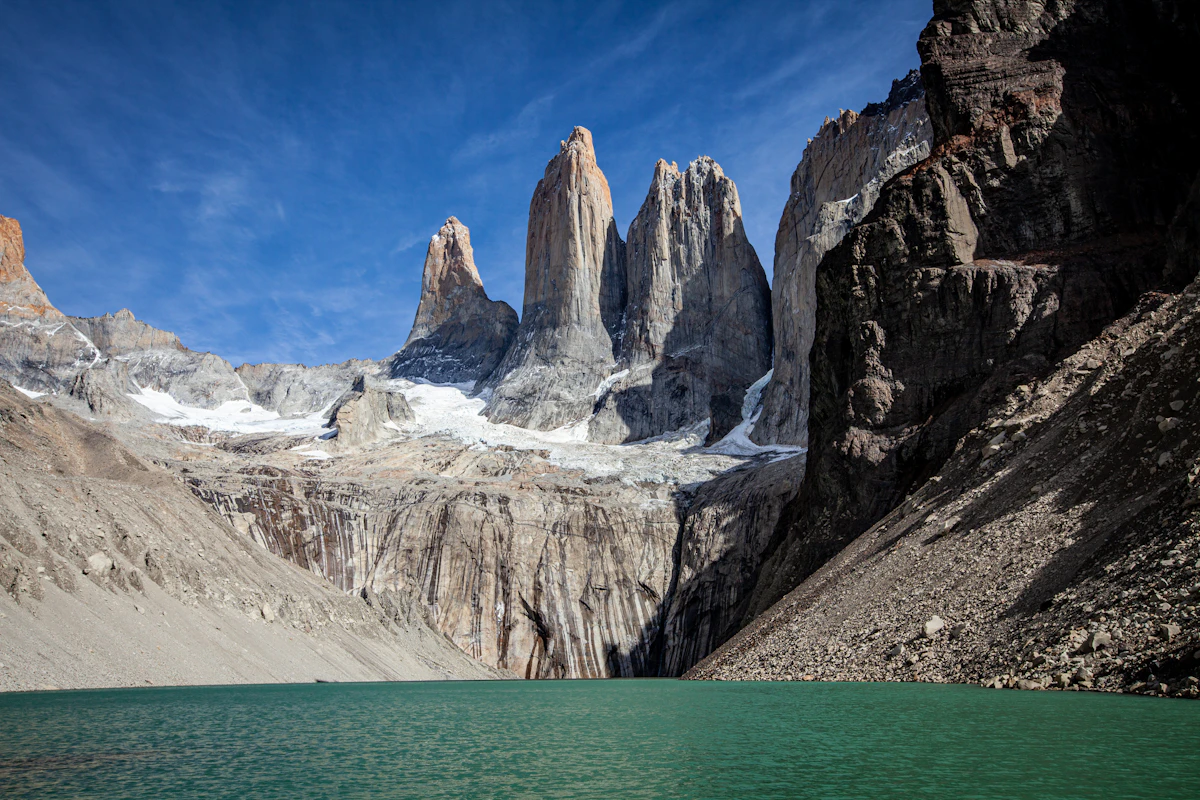
Horizon’s Latin America eSIM covers Brazil, Argentina and Chile on one profile. Uruguay is included too; Bolivia and Paraguay remain outside the exact list.

Argentina is not a route but three bases linked by internal flights, most of them routing back through Buenos Aires. What that changes about the days you buy.


